
On National Rural Health Day, Northern Vermont AHEC recognizes the people, partnerships, and opportunities helping strengthen rural health across Vermont.
In Vermont, rural health is more than a conversation about hospitals, healthcare facilities, or the availability of medical services. It’s about the people and communities that depend on them, the challenges of accessing care close to home, and the opportunities we create for the next generation of health professionals.
It’s about a high school student discovering an interest in medicine, an adult finding a new career path, a college student gaining firsthand experience with community health, or a neighbor training to respond when someone needs emergency care.
Each represents something important: the potential to strengthen rural health by investing in the people who call these communities home.
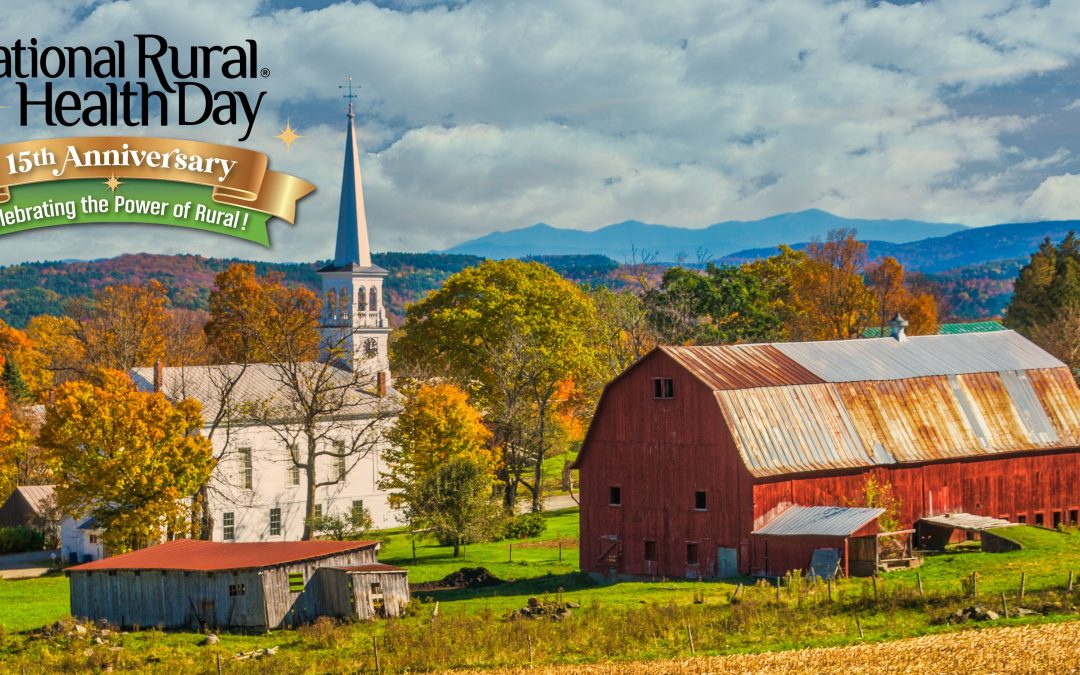
On November 19, we join organizations across the country in recognizing National Rural Health Day, an annual celebration of the Power of Rural and the individuals and organizations working to improve the health and well-being of rural communities.
For Northern Vermont AHEC, it’s an opportunity to recognize the challenges facing rural Vermont while highlighting something equally important: the people, partnerships, and programs already helping build a healthier future.
Rural Vermont: Unique communities, shared challenges
Vermont’s rural character is central to its identity. Our small towns, close-knit communities, and strong sense of local connection are among the qualities that make our state special.
But geography also shapes how Vermonters experience healthcare.
According to the U.S. Census Bureau, approximately 65% of Vermont’s population lives in rural areas, making it the most rural state in the country by that measure.
For residents in these communities, accessing healthcare can mean traveling considerable distances, navigating limited transportation options, or facing longer waits for appointments. Healthcare organizations, meanwhile, must find ways to recruit and retain professionals while responding to the needs of an aging population and evolving systems of care.
These challenges extend well beyond Vermont. The National Organization of State Offices of Rural Health reports that 66.5% of designated primary care Health Professional Shortage Areas nationwide are located in rural communities.
The implications of these shortages are deeply personal. They can affect whether an older adult receives support to remain safely at home, whether a family has timely access to medical care, or whether emergency services have enough trained responders to serve their community.
Addressing these needs requires investments in healthcare infrastructure, access, and delivery. But it also requires recognizing the importance of the people who make those services possible.
Because strengthening rural healthcare means strengthening the rural workforce behind it.
Building opportunities where they’re needed most
There is no single pathway into a healthcare career, just as there is no single solution to Vermont’s rural workforce challenges.
Some people discover an interest in healthcare early in life. Others enter the field after years in another profession. Some pursue advanced degrees, while others find meaningful careers through certifications, technical training, and community-based learning opportunities.
For rural Vermonters, access to these opportunities matters. Distance, cost, transportation, educational readiness, and limited exposure to career opportunities can all influence whether someone is able to pursue a health profession.
At Northern Vermont AHEC, our work focuses on helping bridge those gaps. Through partnerships with educators, healthcare organizations, employers, and community groups, we connect Vermonters with opportunities to explore, prepare for, and enter healthcare careers.
The impact extends beyond the individual participant. Each new connection, skill, or credential has the potential to strengthen the communities where those individuals live and work.
And that work is happening across northern Vermont in several important ways.
Creating new career pathways in the Northeast Kingdom
For some rural Vermonters, the path into healthcare begins with an opportunity to build confidence, strengthen academic skills, or discover possibilities they hadn’t previously considered.
In 2026, Northern Vermont AHEC partnered with Northeast Kingdom Learning Services (NEKLS) to launch Step Up to Health Careers, a workforce development initiative designed to help adults prepare for entry-level healthcare employment and further education.
Based in Newport, the program combined academic and workplace readiness, healthcare-related training and certifications, career exploration, and connections with local employers.
Five of the six enrolled participants completed the inaugural program, gaining valuable skills and credentials to support their next steps in employment and education. All five graduates have since taken meaningful steps toward pursuing careers in health care.
Building on that foundation, Northern Vermont AHEC and NEKLS are preparing the next Step Up to Health Careers PCA+ program, expanding opportunities for participants interested in preparing for patient care roles and further healthcare training.
The importance of this work extends in two directions.
For participants, it creates accessible opportunities to develop new skills, pursue meaningful employment, and build greater economic stability. For rural communities, it helps create a local pipeline of individuals preparing to support healthcare organizations and the people they serve.
It’s an example of how workforce development can strengthen both individual opportunity and community well-being.
Helping rural students envision their futures
The next generation of Vermont’s healthcare workforce includes students who are only beginning to discover their interests and understand the opportunities available to them.
Through HERO (Health Exploration Resources and Opportunities), Northern Vermont AHEC connects high school students with medical student mentors from the University of Vermont’s Larner College of Medicine.
Currently underway, the virtual mentoring program introduces participants to health sciences, human biology, career exploration, and educational planning while offering personalized guidance from someone already pursuing a career in medicine.
For students living in rural communities, this kind of connection can be particularly meaningful.
A virtual mentoring experience helps reduce geographic barriers while creating access to individuals, perspectives, and professional pathways that students might not otherwise encounter.
It also reinforces an important message: students from rural Vermont communities belong in healthcare professions, and there are opportunities to explore those possibilities without having to leave their communities to get started.
That early encouragement matters. A student who can envision a future in healthcare is better positioned to begin making the educational and career decisions that could eventually bring those skills back to Vermont.
Preparing the people who respond when communities need them
In rural Vermont, emergency medical services are an essential part of the healthcare system.
Volunteer and career emergency responders serve communities where travel distances, terrain, and limited staffing can create significant challenges. Maintaining a strong EMS workforce is critical to ensuring that residents can access emergency care when they need it.
Northern Vermont AHEC’s Hybrid Emergency Medical Technician (EMT) Training Program, offered in partnership with Northwest Career and Technical Center in St. Albans, helps address that need.
By combining online instruction with in-person skills training, the program provides a more flexible approach to preparing individuals for emergency medical services careers.
With another cohort planned for spring 2027, the program continues to create opportunities for Vermonters to develop lifesaving skills and pursue professional credentials.
For a participant, EMT training can open the door to meaningful work and further education. For a rural town, that training represents something equally valuable: another individual prepared to respond, provide care, and support the safety of their neighbors.
Connecting college students with the health of rural communities
Healthcare careers aren’t shaped by classroom learning alone. Experiences within communities help students understand how health is influenced by factors such as access to food, transportation, education, and local resources.
The College Student Health Internship Program (CSHIP) provides paid, community-based internship opportunities that connect college students with organizations working to address health-related needs across Vermont.
Through structured projects, students gain practical experience while supporting the work of community partners. In northern Vermont, 2026 projects included initiatives focused on nutrition education and access to fresh produce, demonstrating how community health extends beyond traditional healthcare settings.
These internships serve a dual purpose. They provide students with meaningful professional experience and a deeper understanding of rural health, while giving local organizations additional capacity to advance projects that benefit their communities.
They also help students develop connections with the places, people, and organizations that may influence where they choose to build their careers.
That’s an important part of rural workforce development: creating opportunities for future professionals to experience the value of working in rural communities firsthand.
The power of local connections
The programs highlighted here serve different populations and address different workforce needs. But they share an important foundation: they are built around the people and communities they serve.
A mentoring program helps students discover possibilities. A workforce development initiative helps adults build skills and credentials. An EMT course prepares future responders. A community health internship connects education with local needs.
None of these efforts alone will solve Vermont’s healthcare workforce challenges. Together, however, they demonstrate how local partnerships, accessible training, and meaningful professional experiences can contribute to a stronger rural health system.
They also reflect one of the central messages of National Rural Health Day: rural communities are not simply places facing healthcare challenges. They are places of innovation, opportunity, and tremendous potential. At a time when Vermont is examining how to make healthcare more accessible, affordable, and sustainable, that distinction matters.
Improving rural health requires responding to today’s urgent needs while creating the conditions for communities to thrive in the future. It requires support for existing healthcare professionals alongside opportunities for the people who may one day join them.
And it requires recognizing that healthcare workforce development isn’t separate from rural health. It is an investment in rural health.
Celebrating the people behind the Power of Rural
National Rural Health Day is an opportunity to recognize the dedication of healthcare professionals, educators, community organizations, volunteers, and countless others who help make rural Vermont a place where people can live, work, and thrive.
It’s also an opportunity to recognize the Vermonters taking the first steps toward healthcare careers, whether they’re exploring an interest in medicine, returning to education, earning a professional credential, or putting their skills to work in their communities. Their journeys may look different, but each contributes to a larger picture of what a healthy, resilient rural Vermont can become.
As we celebrate the Power of Rural, we’re reminded that the strength of our communities has always been rooted in their people. And when we create opportunities for those people to learn, grow, and serve, we’re doing more than developing a healthcare workforce.
We’re investing in the health, opportunity, and future of rural Vermont.
Sources & Further Reading
- National Rural Health Day — About the Power of Rural
- 2026 National Rural Health Day — Key Messages & Data Points
- Vermont Department of Health — Health Care Workforce Census
- Vermont Department of Health — Rural Health Resources
- Northern Vermont AHEC — The Future of Health Care in Vermont Is Already Taking Shape

Welcome to
The Northern Vermont
Area Health Education Center
The Northern Vermont Area Health Education Center improves access to quality health care by working with community and academic partners to support health care workforce development through recruitment, retention and continuing education of health care professionals.
Northern Vermont AHEC
347 Emerson Falls Road, Suite 3
St. Johnsbury, VT 05819
Phone: 802-748-2506
Fax: 802-748-2910
Send us an Email
Follow Us On