
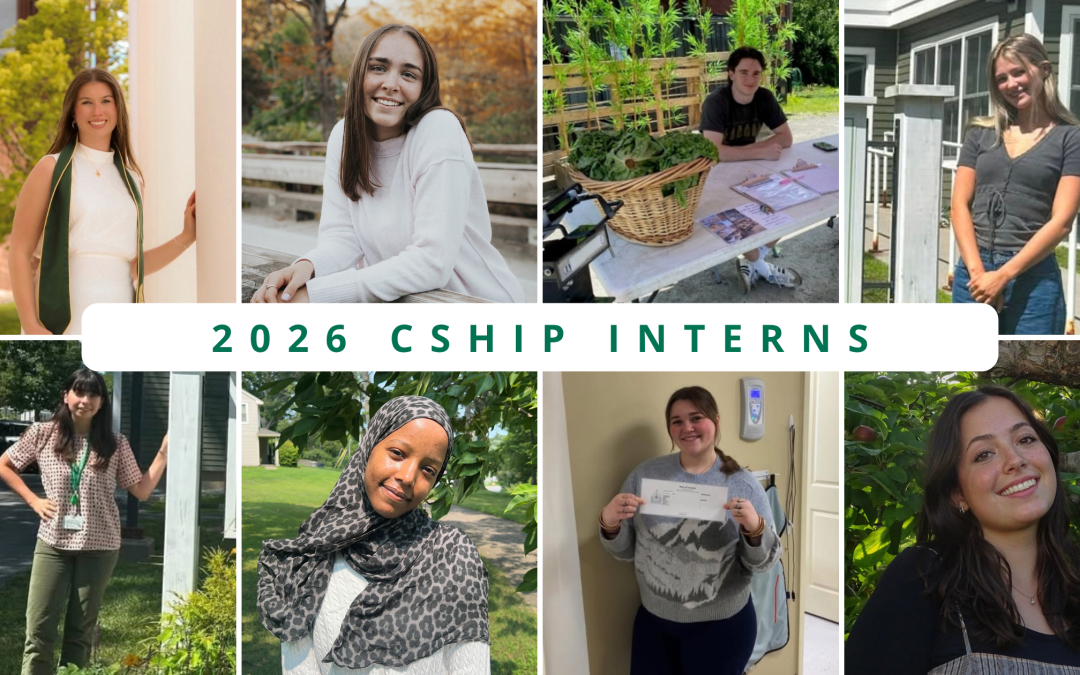
A college course can introduce a student to biology, public health, nutrition, or health policy. A career website can explain what different professions do. But there is something different about being welcomed into a Vermont community organization, given meaningful work to do, and seeing firsthand how health and health care show up in people’s everyday lives.
That is where the College Student Healthcare Internship Program, or CSHIP, comes in.
A collaborative effort of Northern Vermont AHEC and Southern Vermont AHEC, CSHIP provides college students interested in health-related careers with paid, structured, non-clinical internships in communities across Vermont. Students complete 100 hours of experiential learning that combines project-based work with education in rural health and career-readiness skills.
The internships may not look like the version of health care students first imagine – and that is part of their value.
Seeing the bigger picture of health
Health happens in hospitals and doctors’ offices, of course. But it also happens around a kitchen table. In a school. In the home of an older Vermonter whose caregiver needs an hour to rest. In conversations about nutrition, prevention, access, aging, and the circumstances that shape whether someone is able to be healthy in the first place.
CSHIP gives students the opportunity to see those connections early in their careers.
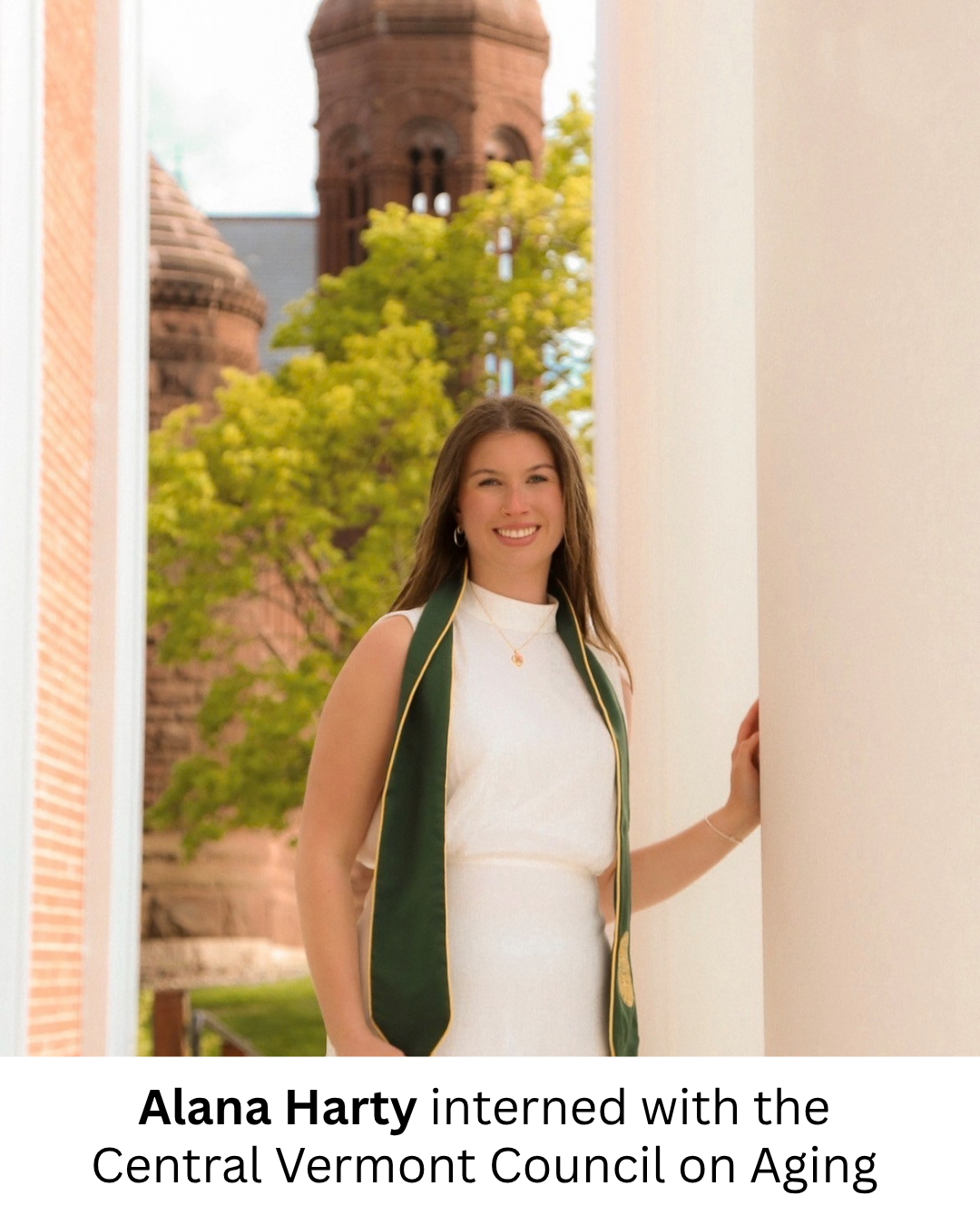
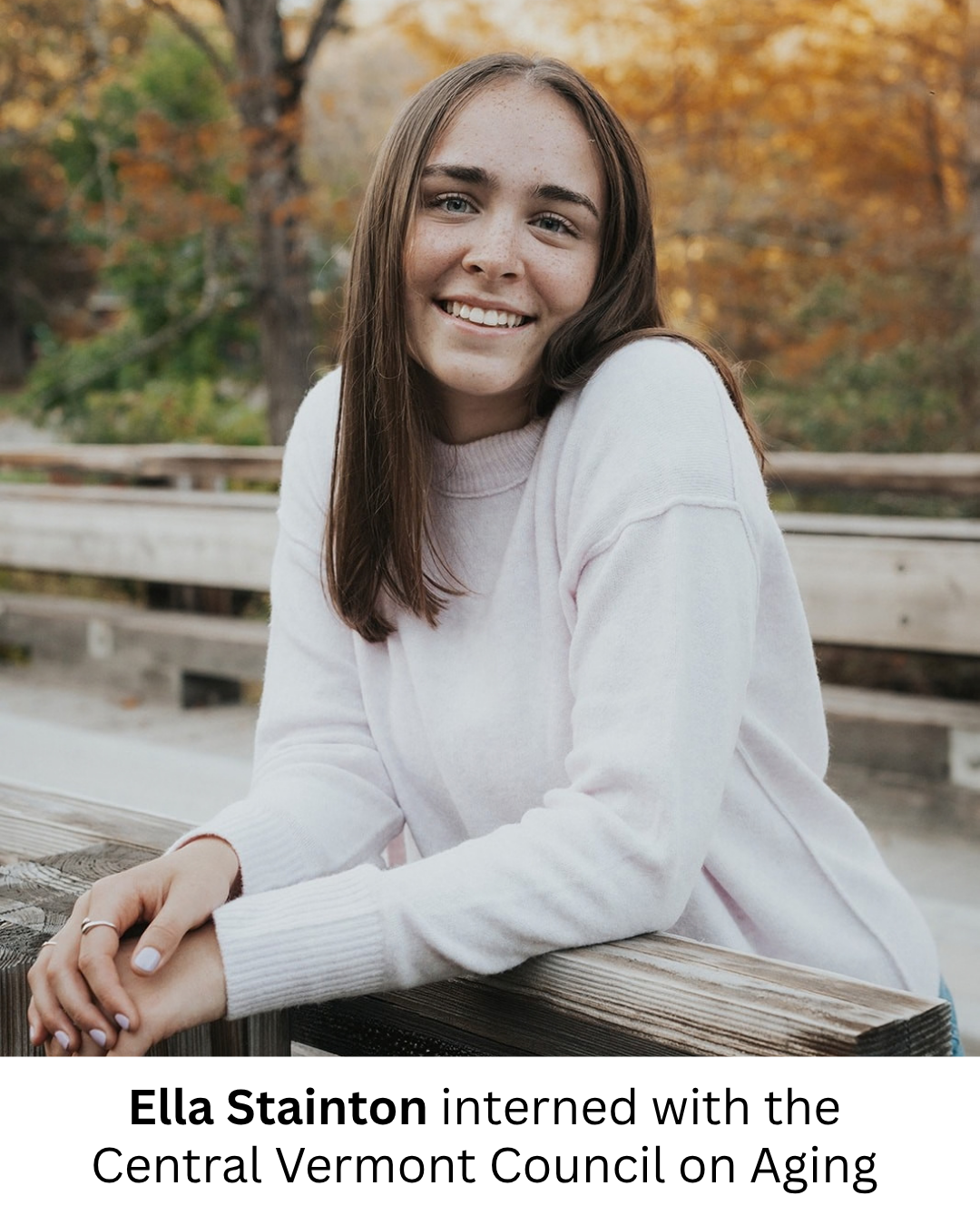
This summer, Alana Harty and Ella Stainton worked with the Central Vermont Council on Aging in Barre, developing nutritious, easy-to-prepare recipes for older adults and people with diabetes that would ultimately become part of a community cooking program.
On paper, the assignment involved researching recipes and nutrition information. In practice, it asked them to think much more deeply about the people who would eventually use what they created.
They had to consider nutrition alongside affordability, accessibility, ease of preparation and, importantly, whether someone would actually enjoy eating the food. The experience helped connect what they had studied academically with the realities of supporting health in a community.
For Ella, who studies biology, public health and entrepreneurship and plans to pursue medicine, the experience expanded the way she thought about food and health. For Alana, a recent University of Vermont graduate in Nutrition and Food Science who also plans to pursue medicine, it reinforced the role nutrition and prevention can play in supporting communities with limited access to health care resources.
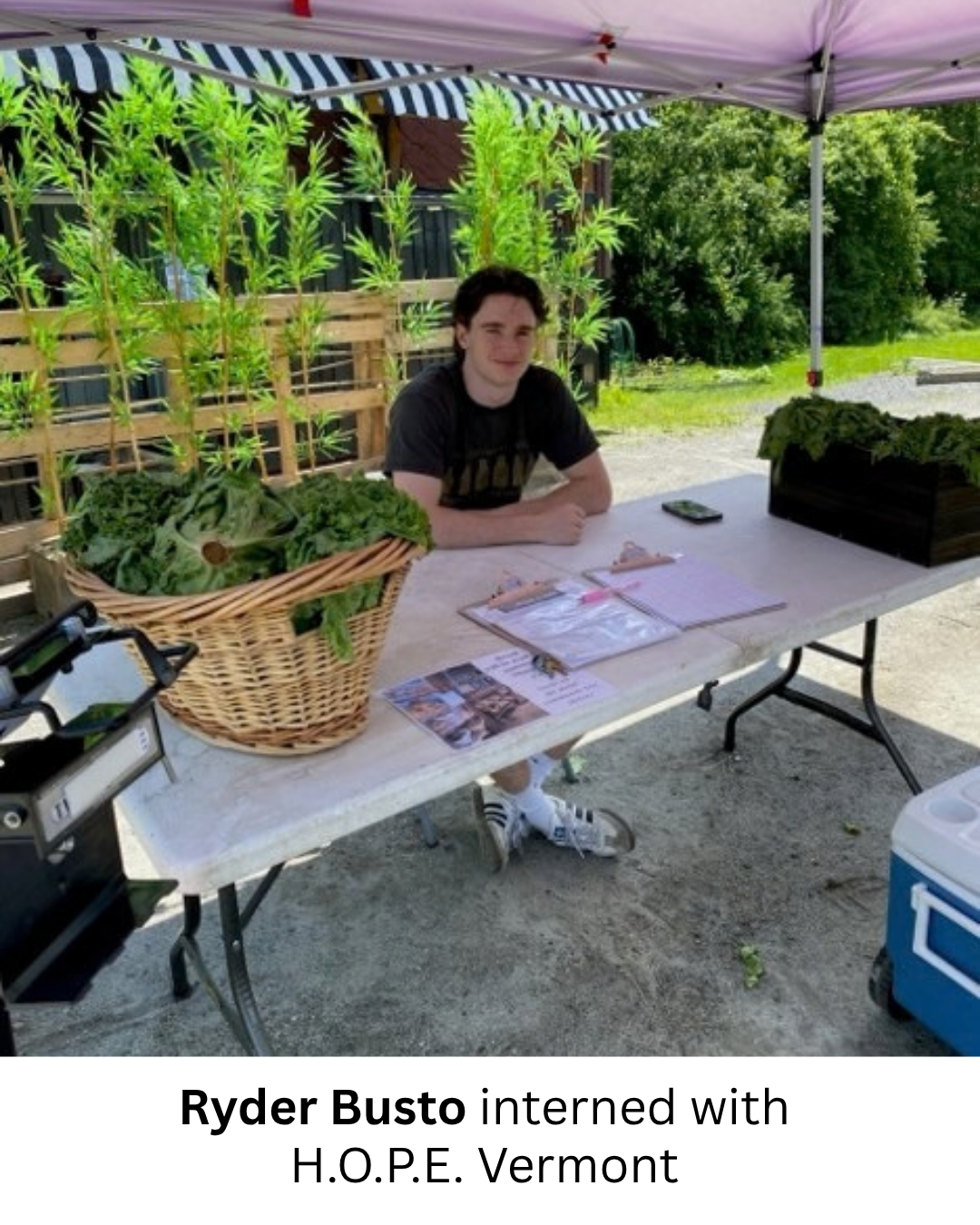
Ryder Busto saw another side of that connection through his internship with H.O.P.E. Vermont in Lyndonville. A Burke native and nursing student at the University of Vermont, Ryder helped oversee the organization’s Summer Produce Giveaway, working with local farms to provide fresh food to people experiencing food insecurity and homelessness.
For a future nurse, the experience offered an important view of the many factors that can influence someone’s health long before they enter a clinical setting. It also placed Ryder directly in his community, building relationships with people whose experiences and challenges he might not otherwise have encountered.
That broader understanding matters.
Students entering health professions will eventually care for patients whose health is influenced by far more than what happens during an appointment. Giving future professionals opportunities to encounter those realities before they enter graduate school or the workforce can help build a more thoughtful and community-connected health care workforce.
Learning skills that can’t always be taught in a classroom
For other CSHIP interns, the most important lessons emerged through relationships.
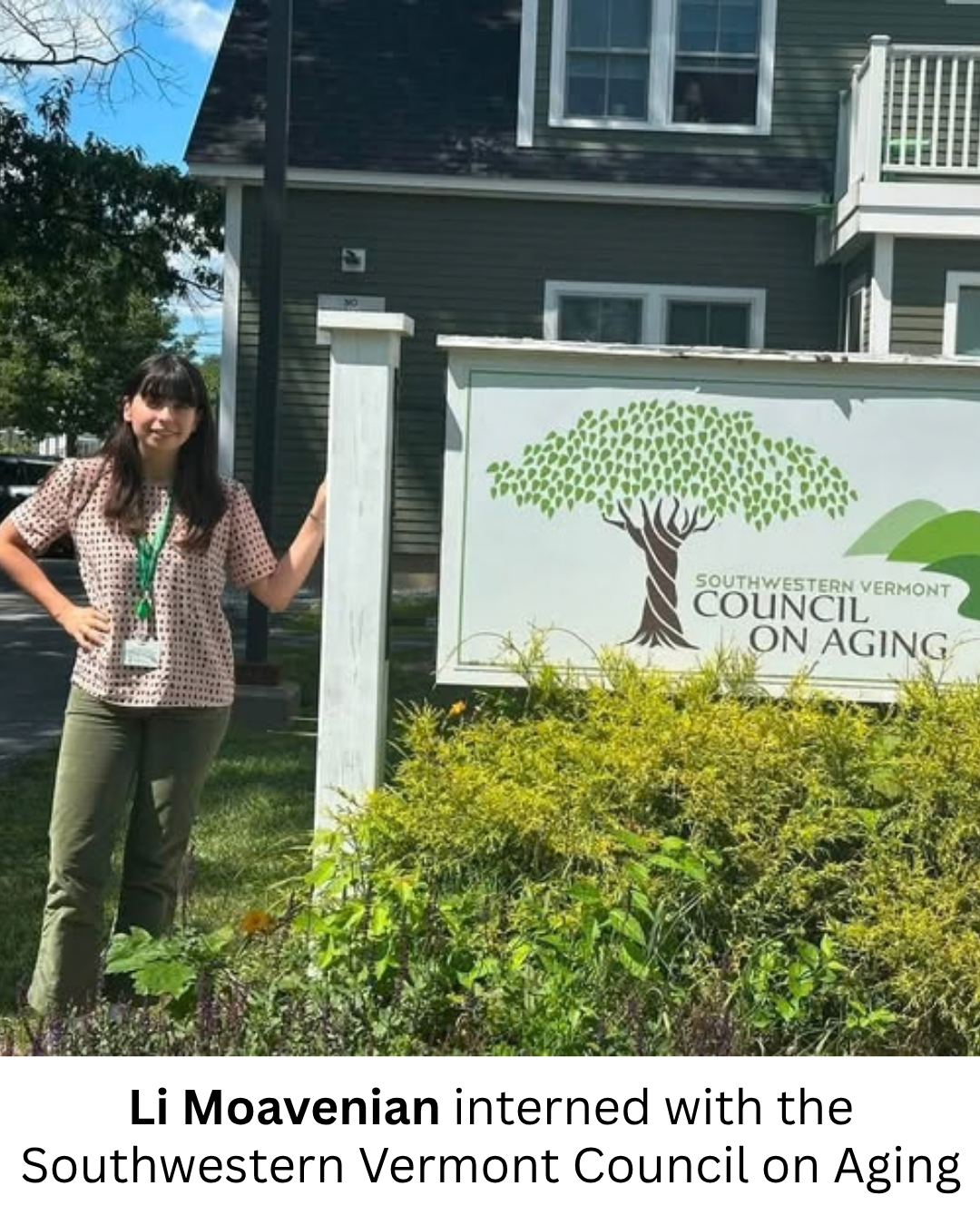
Li Moavenian, a University of Vermont biological sciences student interested in eventually practicing primary care in a rural community, spent her internship with the Southwestern Vermont Council on Aging. Her work provided respite for people caring for individuals with dementia.
Working regularly with the same clients meant learning how to listen, adjust and respond when an interaction did not go as expected. Li identified communication, flexibility and active listening among the skills she developed – and said the experience gave her a much better understanding of rural health care systems.
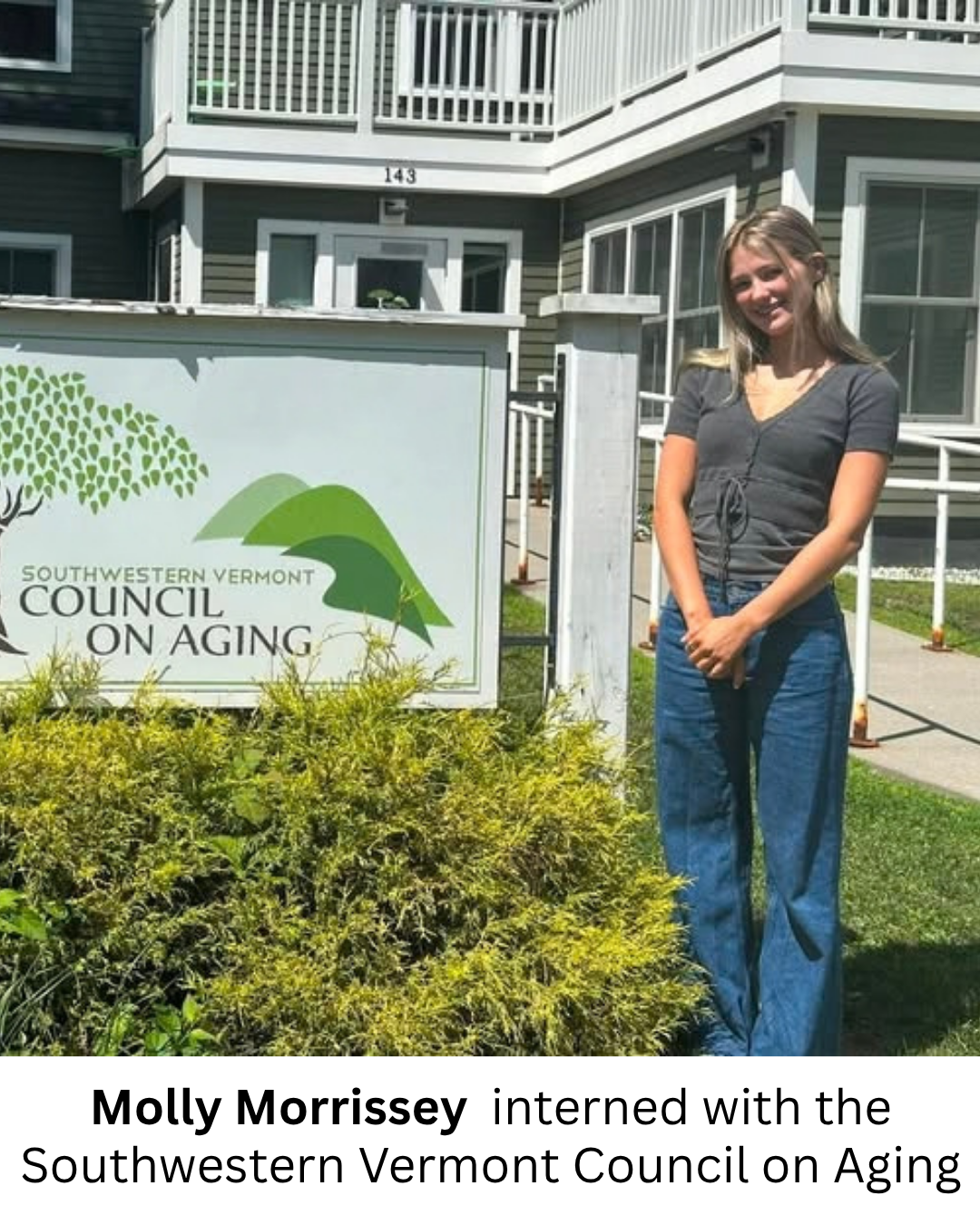
Fellow CSHIP intern Molly Morrissey also provided respite support through the Southwestern Vermont Council on Aging.
For Molly, a Health & Society student at the University of Vermont who plans to pursue medical school, the work offered a close-up view of both aging and caregiving. She learned to adapt when communication was difficult, finding other ways to connect with clients while developing a deeper understanding of the emotional demands placed on family caregivers.
Those experiences build skills that appear on plenty of lists of competencies for future health professionals: communication, adaptability, empathy, problem-solving.
CSHIP gives students somewhere meaningful to practice them.
Exploring a career by becoming part of the work
Career exploration is sometimes treated as simply learning what jobs exist. The best career exploration goes further. It allows someone to begin imagining themselves doing the work.
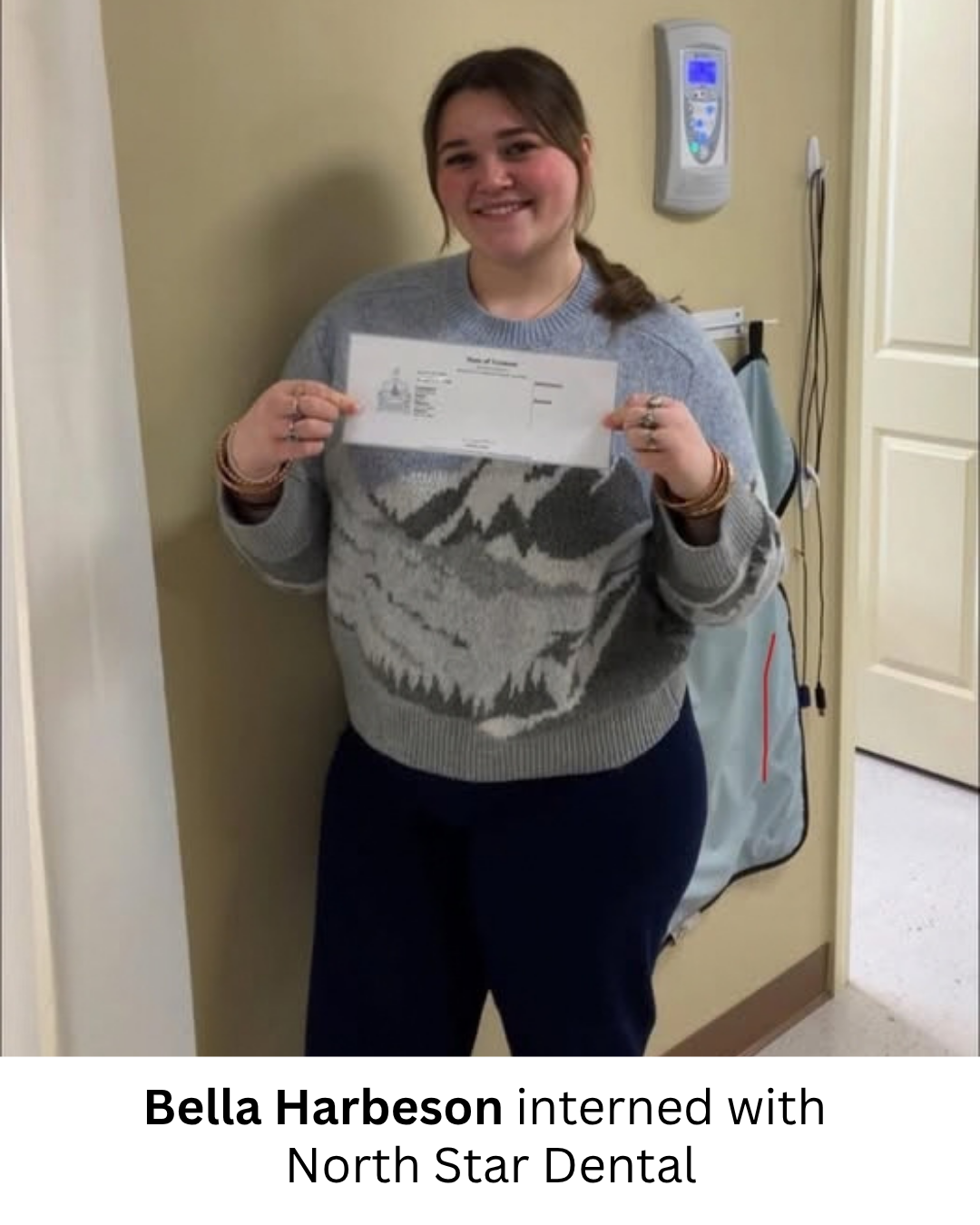
For Isabella “Bella” Harbeson, a Springfield, Vermont native studying public health at the University of New Hampshire, that meant spending her internship with North Star Dental and bringing oral health education into schools and summer programs.
Bella entered the experience with an interest in dentistry. Through CSHIP, she had opportunities to communicate with children, collaborate with school staff, organize activities, manage projects and serve as an educator herself.
She described one of the benefits of the experience as being able to use her voice and be recognized not simply as a college student, but as a dental educator.
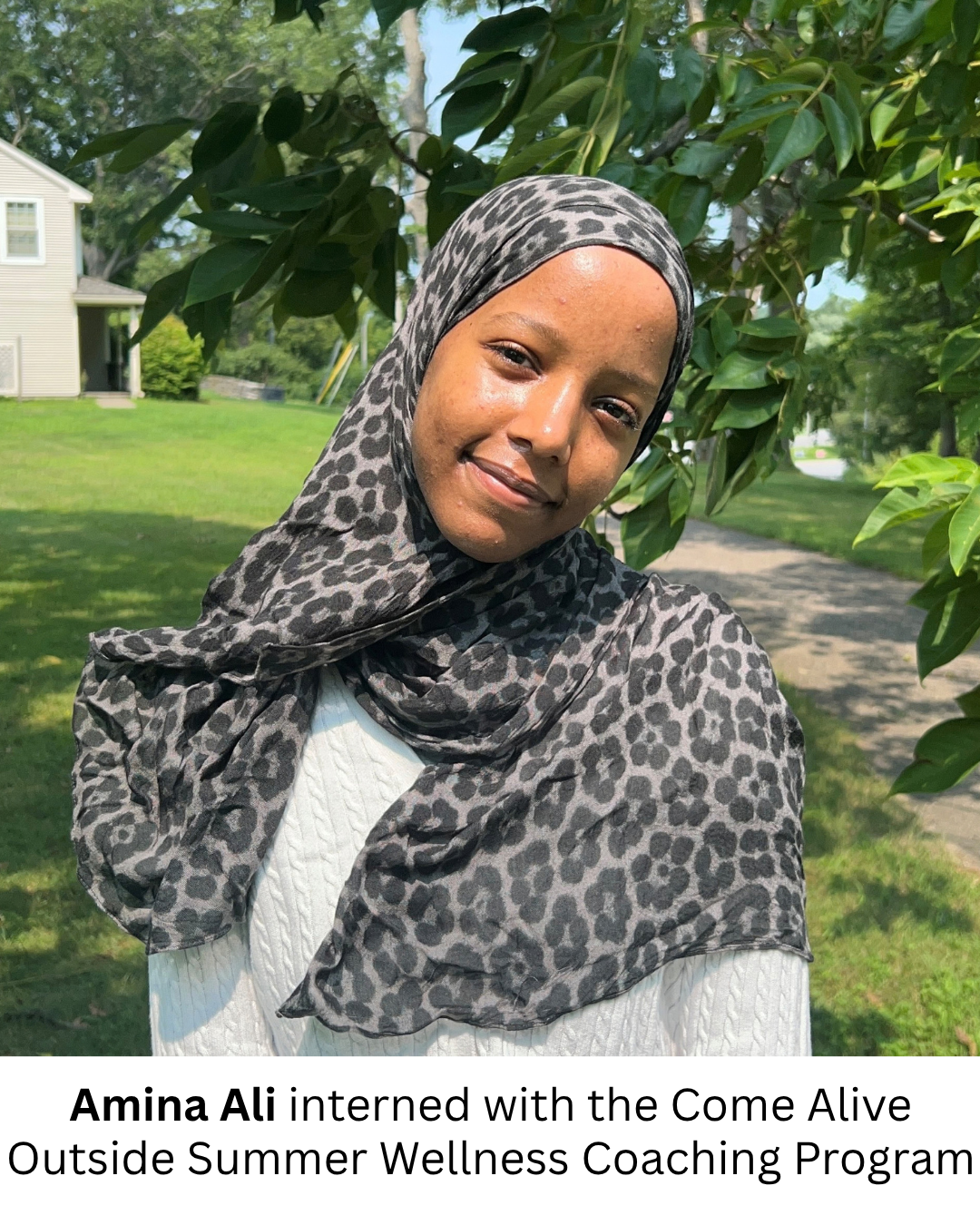
Amina Ali, a biological sciences student at the University of Vermont, had a different kind of hands-on experience through the Come Alive Outside Summer Wellness Coaching Program. Working remotely with approximately 15 clients, she helped individuals identify personal wellness goals, develop realistic plans and make progress toward healthier lifestyles. The work required her to listen closely, adapt to different circumstances and recognize that improving someone’s health often begins with understanding their individual challenges.
For Amina, who is exploring career interests in both medicine and forensics, the experience also helped clarify what she wants from her future. Working directly with clients strengthened her communication skills, built her confidence in navigating difficult or unpredictable situations and sparked a greater interest in clinical work. She entered the internship still considering several possible career paths and left with a better understanding of the kind of work she finds meaningful.
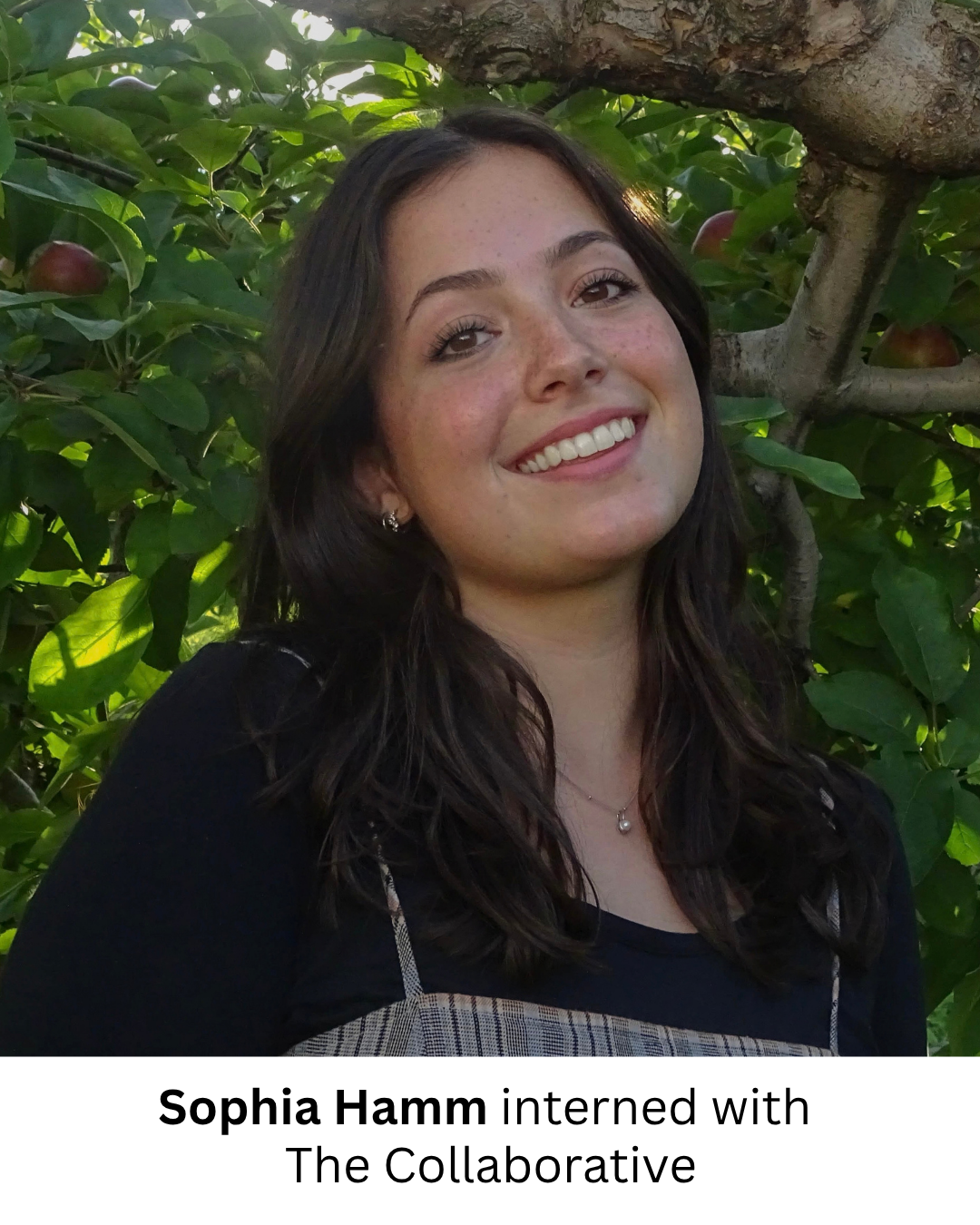
Sophia Hamm, a nursing student at Simmons University and Brattleboro native, explored another side of community health through her internship with The Collaborative in Londonderry. Working with the nonprofit organization focused on substance misuse prevention, Sophia researched and updated policy guides addressing alcohol, cannabis, tobacco and equity, helping make information about community-level prevention strategies more accessible to Vermont towns.
The experience expanded her understanding of what a career in nursing could look like. While she had previously thought of nursing primarily in terms of direct patient care, her work introduced her to the role nurses can play in public health, prevention and policies that influence entire communities. It also challenged her to take ownership of a project, communicate complex information clearly and become more confident contributing her ideas. Now considering public health nursing as a possible career direction, Sophia gained a broader perspective on both the profession and the impact she could have within it.
That shift is significant.
There is power in moving from I think I might want to do this someday to I have contributed to this work.
It can confirm a student’s direction. It can introduce a career they had never considered. It can reveal an interest in a particular population or community. It can also help someone discover that the path they imagined isn’t quite the right fit—and that is valuable career exploration, too.
Building Vermont’s health workforce starts before the first job
The impact of CSHIP extends beyond individual students.
Northern and Southern Vermont AHEC work with community organizations to create projects that meet genuine needs. Students gain experience and mentorship while host organizations gain additional capacity to take on health improvement work. Communities benefit from the projects themselves.
That model is especially meaningful in a rural state.
The CSHIP curriculum intentionally introduces students not only to career-readiness competencies, but also to the realities of delivering health care in rural Vermont – including health equity, social determinants of health, behavioral health integration, emerging health issues and the connections between communities and health professionals.
And the students aren’t observing those concepts from a distance. They are encountering them through real people and real organizations.
A student interested in medicine begins to understand caregiver burden.
A future dentist discovers the importance of community education.
Students interested in medicine and public health see how nutrition can support health long before someone reaches a doctor’s office.
A future nurse sees how food access, economic circumstances and strong community relationships are connected to health.
A nursing student discovers that improving community health can also mean shaping prevention strategies and policies that reach far beyond individual patient care.
An aspiring health professional learns that supporting someone’s well-being starts with listening, understanding their individual circumstances, and recognizing that not every challenge has a simple solution.
Future professionals begin developing relationships with Vermont organizations and communities while they are still deciding where their careers may take them.
That is workforce development, too.
Giving students a reason to picture a future in Vermont
There is no single program that will solve Vermont’s health workforce challenges. Building a strong workforce requires investment at every stage – from introducing young people to health careers, to creating meaningful experiences for college and professional students, to supporting the professionals already caring for Vermont communities.
CSHIP occupies an important place along that continuum.
It catches students at a moment when many are asking big questions: What kind of work do I want to do? What population do I want to serve? What does a career in health care really look like? Where might I build that career?
Then it gives them something more useful than a brochure. It gives them an experience.
For students considering health professions, that experience can build confidence, skills and clarity. It can illuminate the many ways someone can contribute to healthier communities. And for students who spend a summer learning alongside Vermont organizations and the people they serve, it can make rural health care feel less like an abstract career option and more like a future they can actually picture themselves being part of.
That is the real value of career exploration.
Sometimes finding your place in health care begins by being given the opportunity to step into it.
Northern Vermont AHEC CSHIP page
Southern Vermont AHEC CSHIP page
A Special thanks to our partnering organizations:
Central Vermont Council on Aging
Southwestern Vermont Council on Aging
Come Alive Outside Summer Wellness Coaching Program