
At VT Health Careers Field Day, high school students from across Vermont discovered new skills, unexpected possibilities, and the people who could help them imagine a future in health care.
Most teenagers have plenty of questions about their futures. What they want to study. Where they’ll go after graduation. Whether the career they’ve imagined is actually the one they’ll pursue.
For those interested in health care, the questions can be particularly daunting. The field is vast, the educational pathways aren’t always straightforward, and many of its professions remain largely invisible until someone needs their services.
But sometimes, all it takes to make a possibility feel more tangible is an opportunity to experience it.
On October 3, high school students from across Vermont gathered at Bellows Free Academy in St. Albans for the 2026 VT Health Careers Field Day, a free, daylong experience hosted by Northern Vermont AHEC (NVTAHEC) in partnership with the Governor’s Institutes of Vermont (GIV).
They came to learn CPR, practice medical skills, and explore the world of health care. They also came with questions, ambitions, and varying degrees of certainty about what they wanted their futures to look like.
For one student, that future already had a remarkably specific shape.
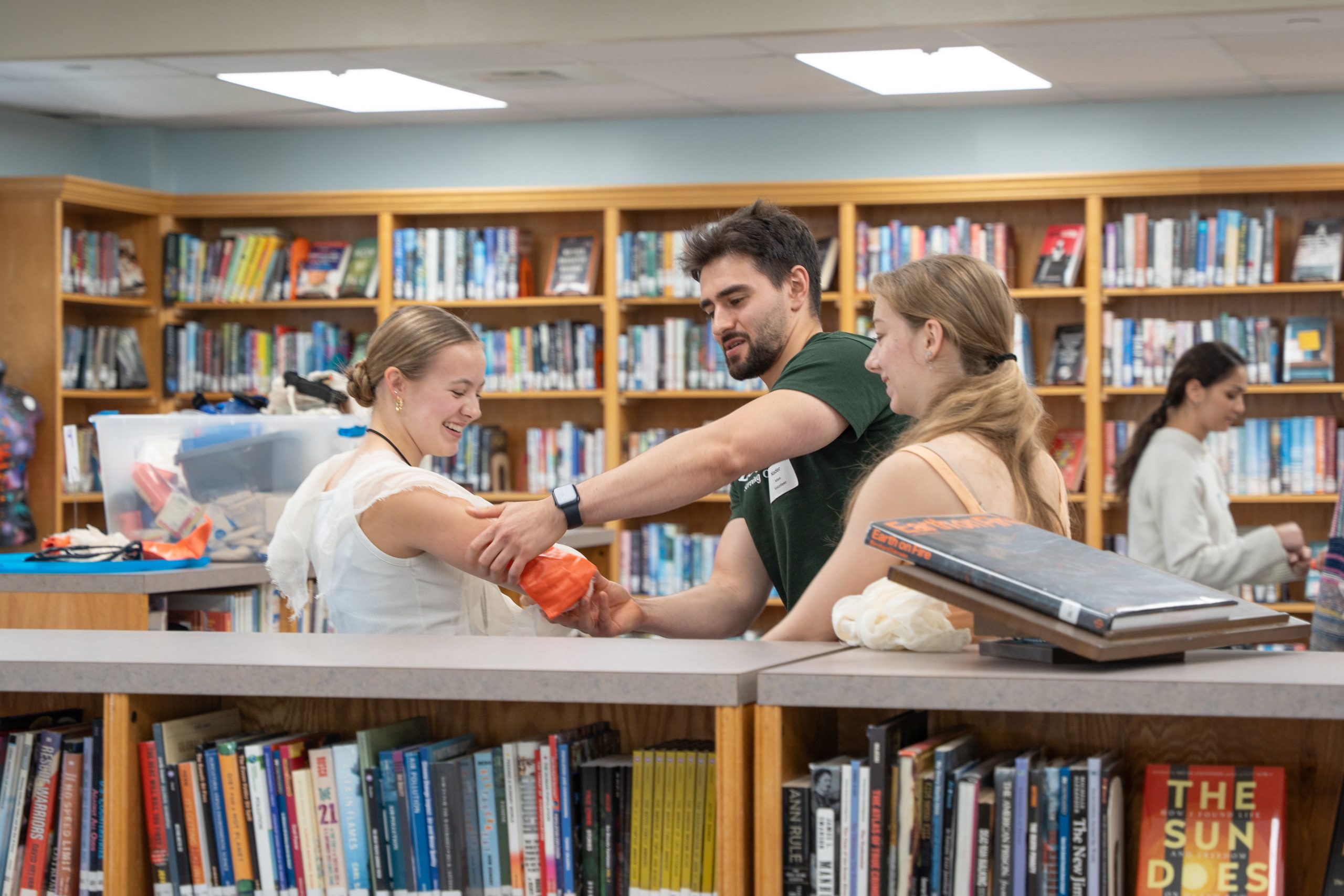
During a conversation with Nader Allam, a first-year medical student at the University of Vermont’s Larner College of Medicine who volunteered at the event, the student shared an interest in becoming a cardiothoracic surgeon.
It’s an ambitious goal, particularly for someone still in high school. Even many medical students don’t settle on a specialty until well into their training. Curious about the student’s motivation, Allam asked what had sparked such a specific interest.
The answer was personal. The student had witnessed a medical emergency at a young age, an experience that inspired a desire to help others facing similar circumstances.
For Allam, who changed careers to pursue medicine after experiences of his own, the conversation was a reminder that young people often have compelling reasons for the futures they imagine.
“I appreciate the maturity and insightfulness of the students to reflect deeply on their experiences and finding their personal drive to their career paths,” he reflected afterward.
Not every student arrived with such a defined ambition. Some were still discovering what health care careers existed. Others were interested in science or medicine but unsure what that interest might eventually become.
That range of curiosity, experience, and possibility is precisely what the One-Day event was designed to embrace.
Bringing the possibilities within reach
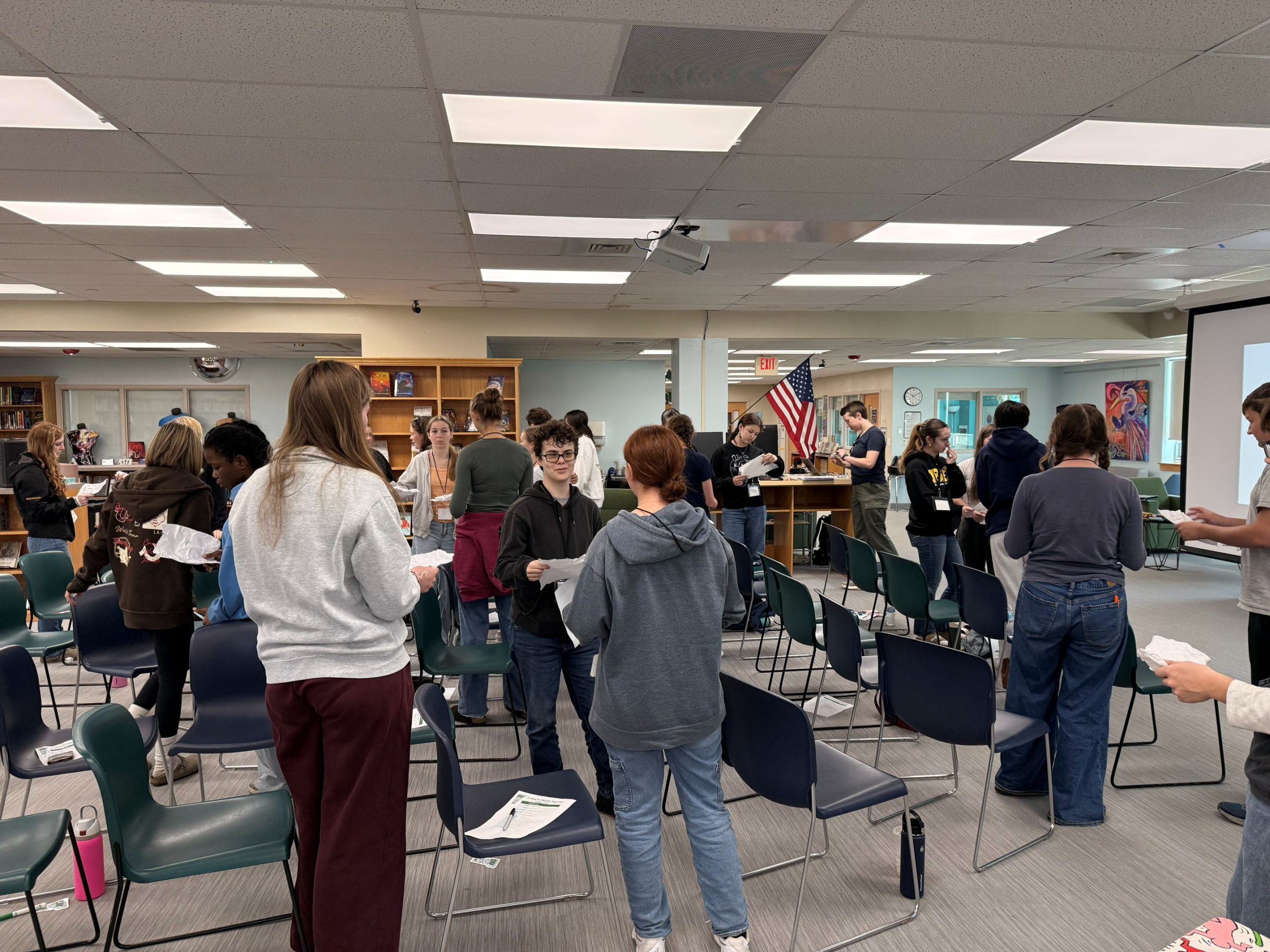
The students registered for the event represented all four years of high school, with ages ranging from 14 to 18. Thirty registered from communities stretching well beyond Franklin County, including Enosburg, Jeffersonville, Essex, Waterbury, Vergennes, St. Johnsbury, Norwich, Reading, and Guilford.
Some were already participating in career and technical education programs. Others had attended a Governor’s Institutes program before. For many, the day offered an introduction to the educational and professional opportunities available through GIV, NVTAHEC, and their partners.
What they shared was an interest in exploring health care beyond the limits of a classroom.
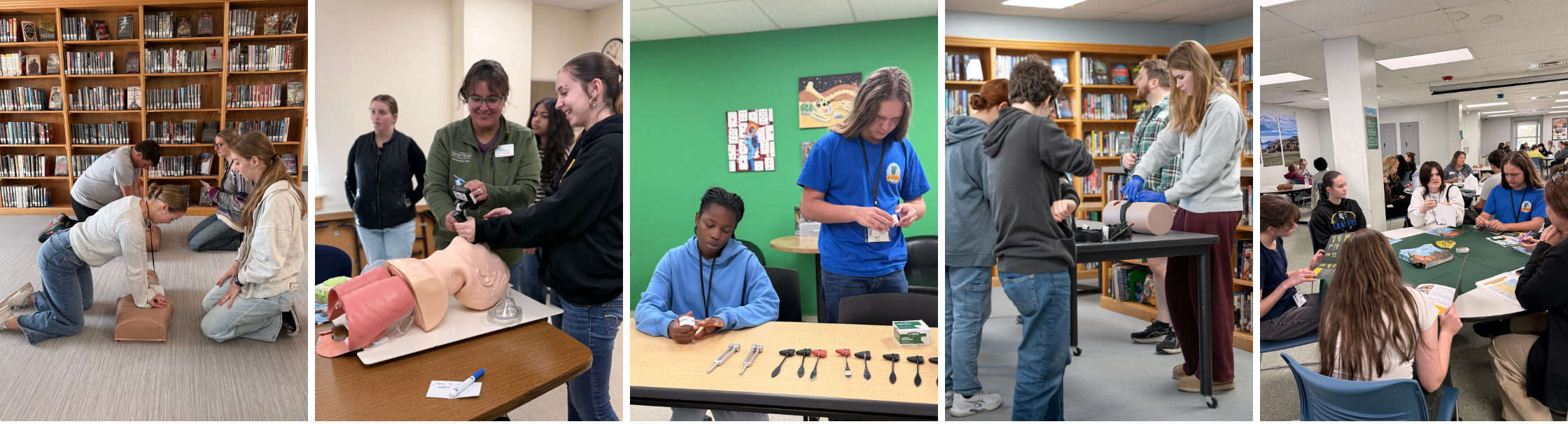
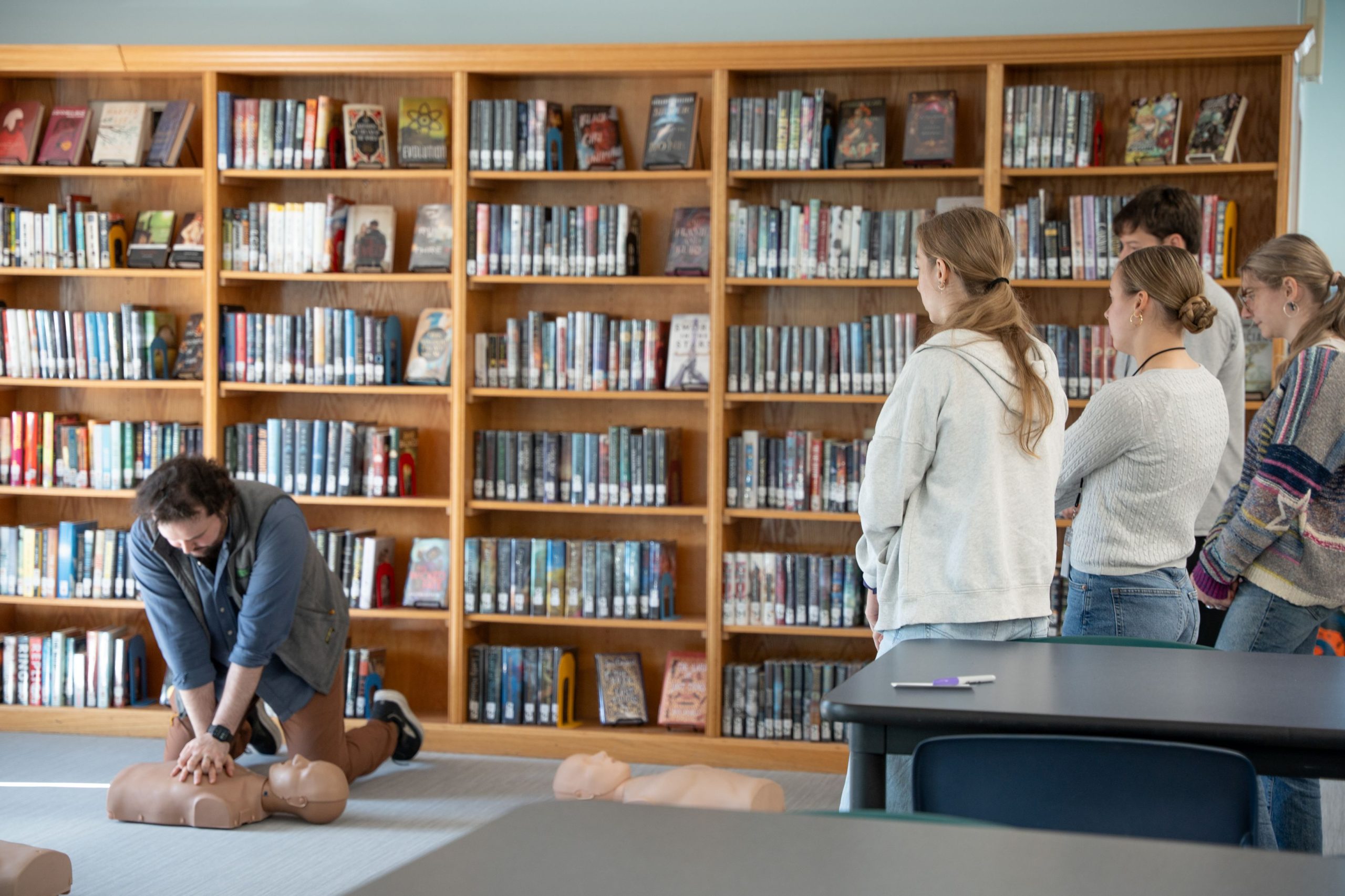
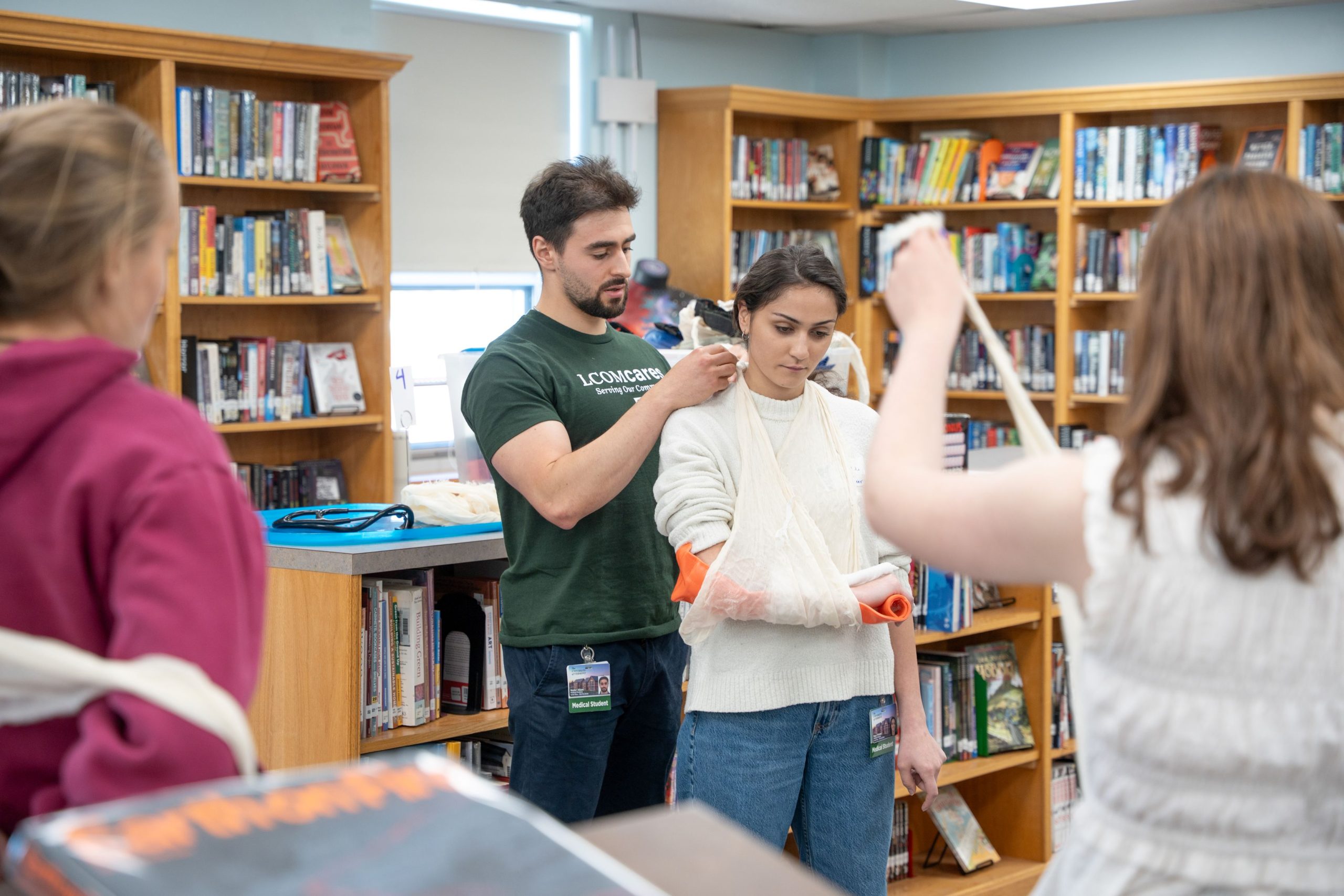
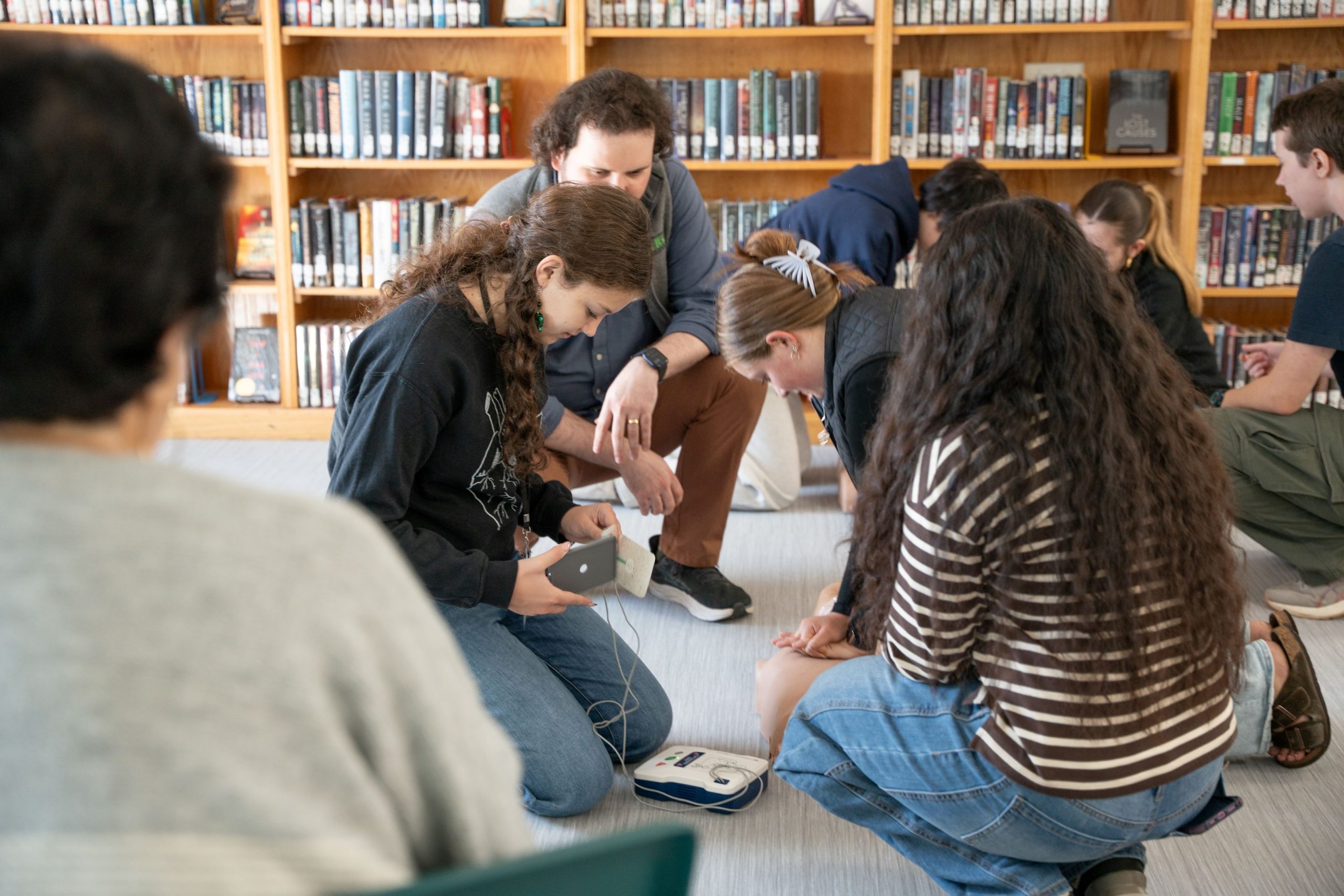
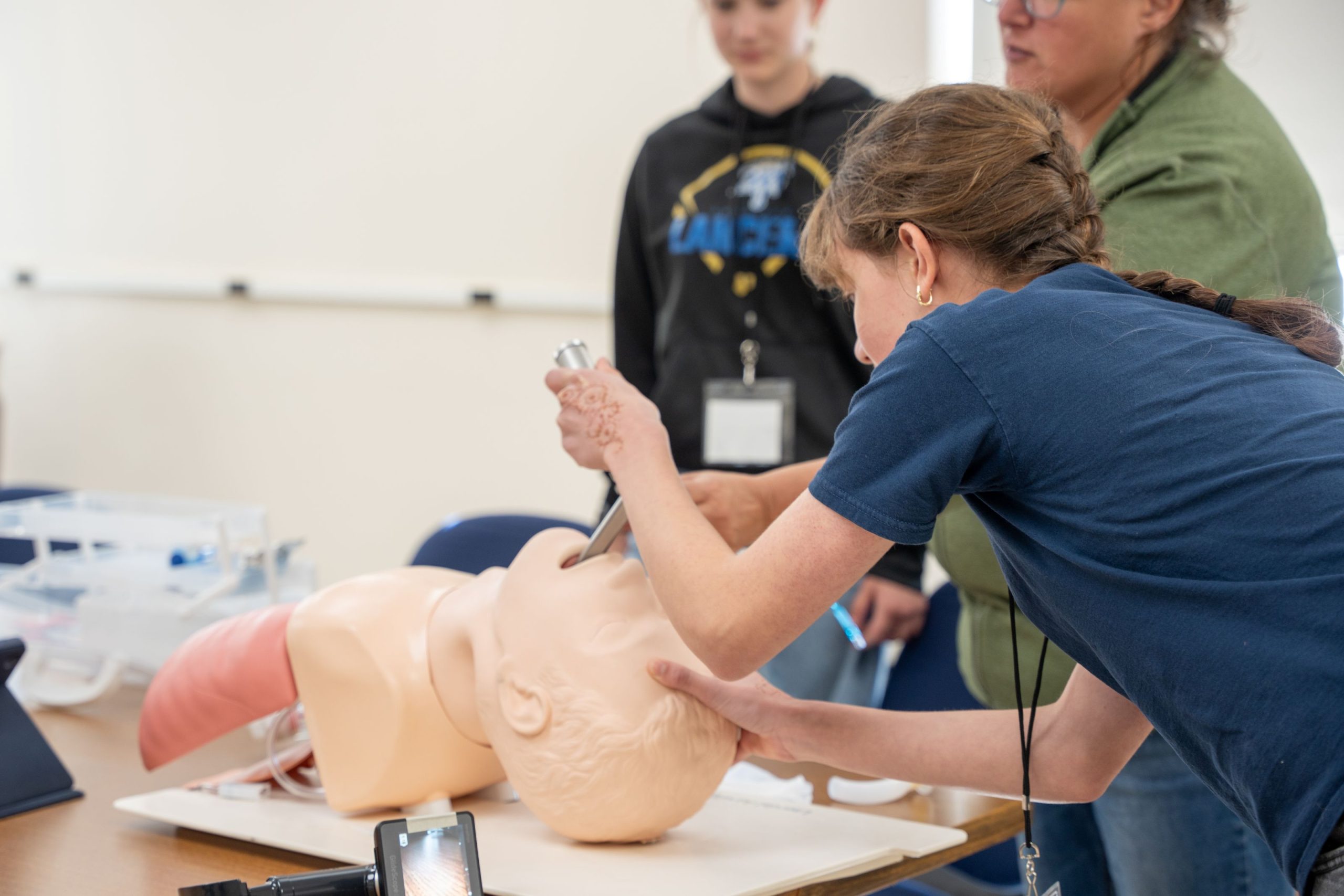
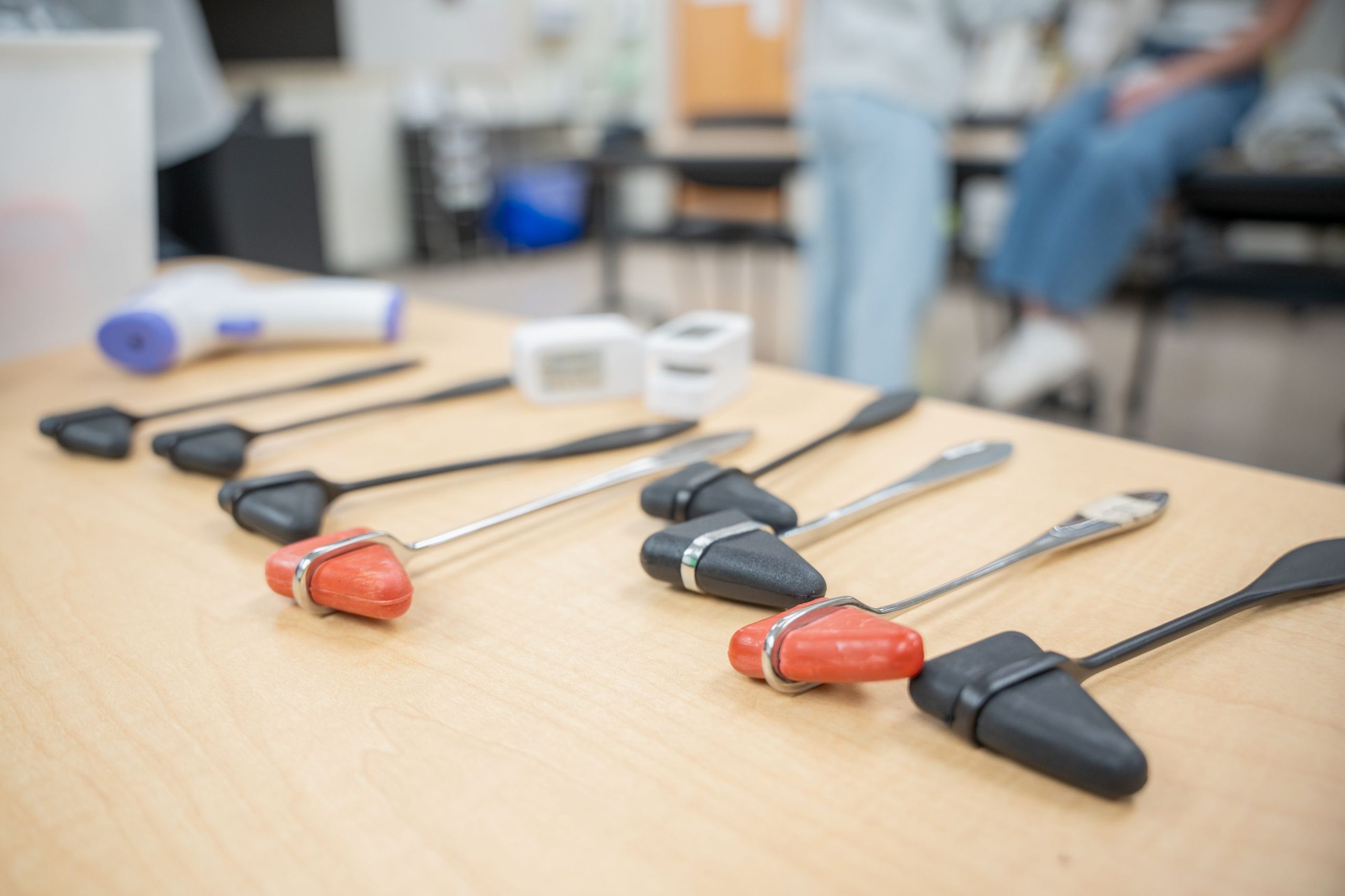
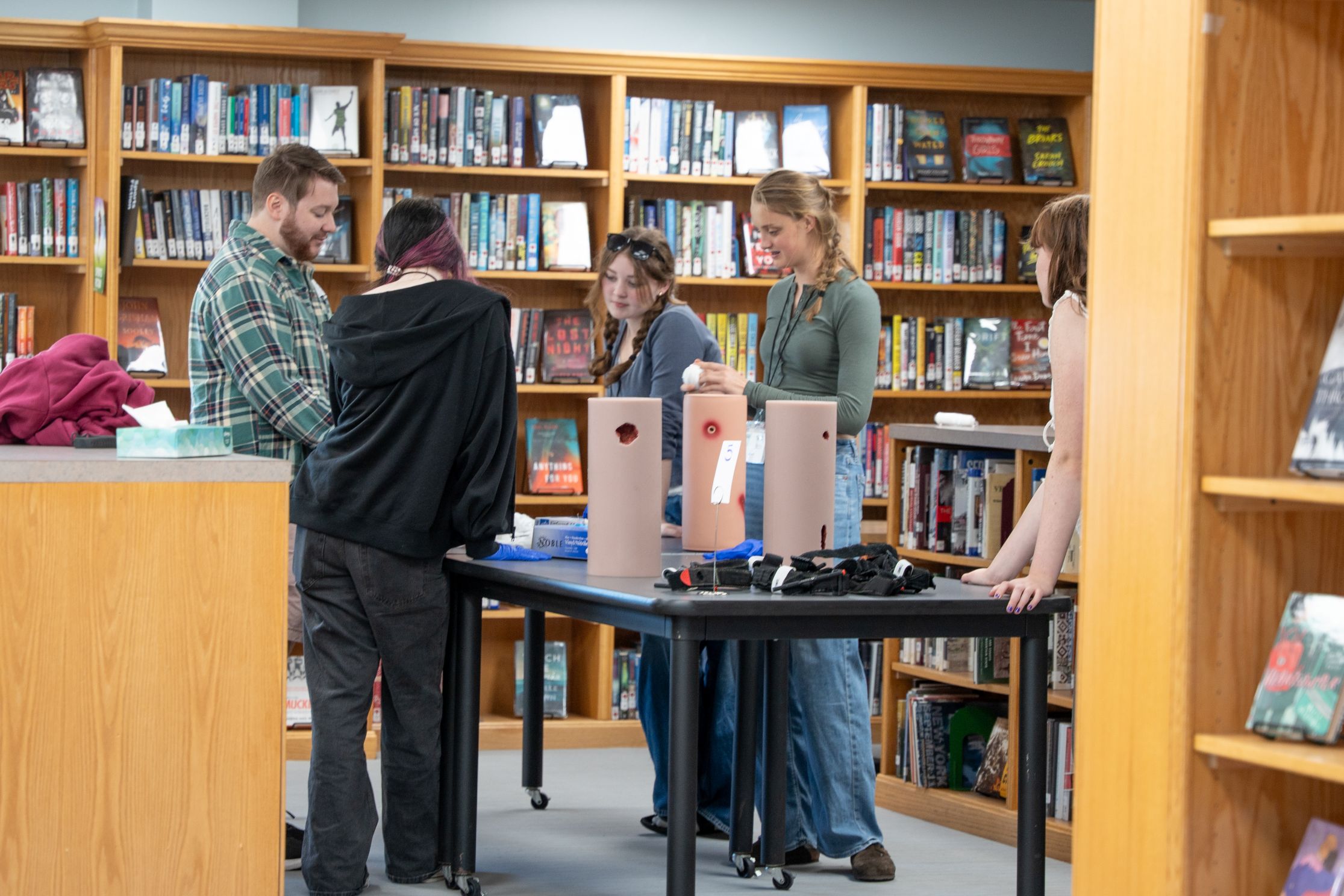
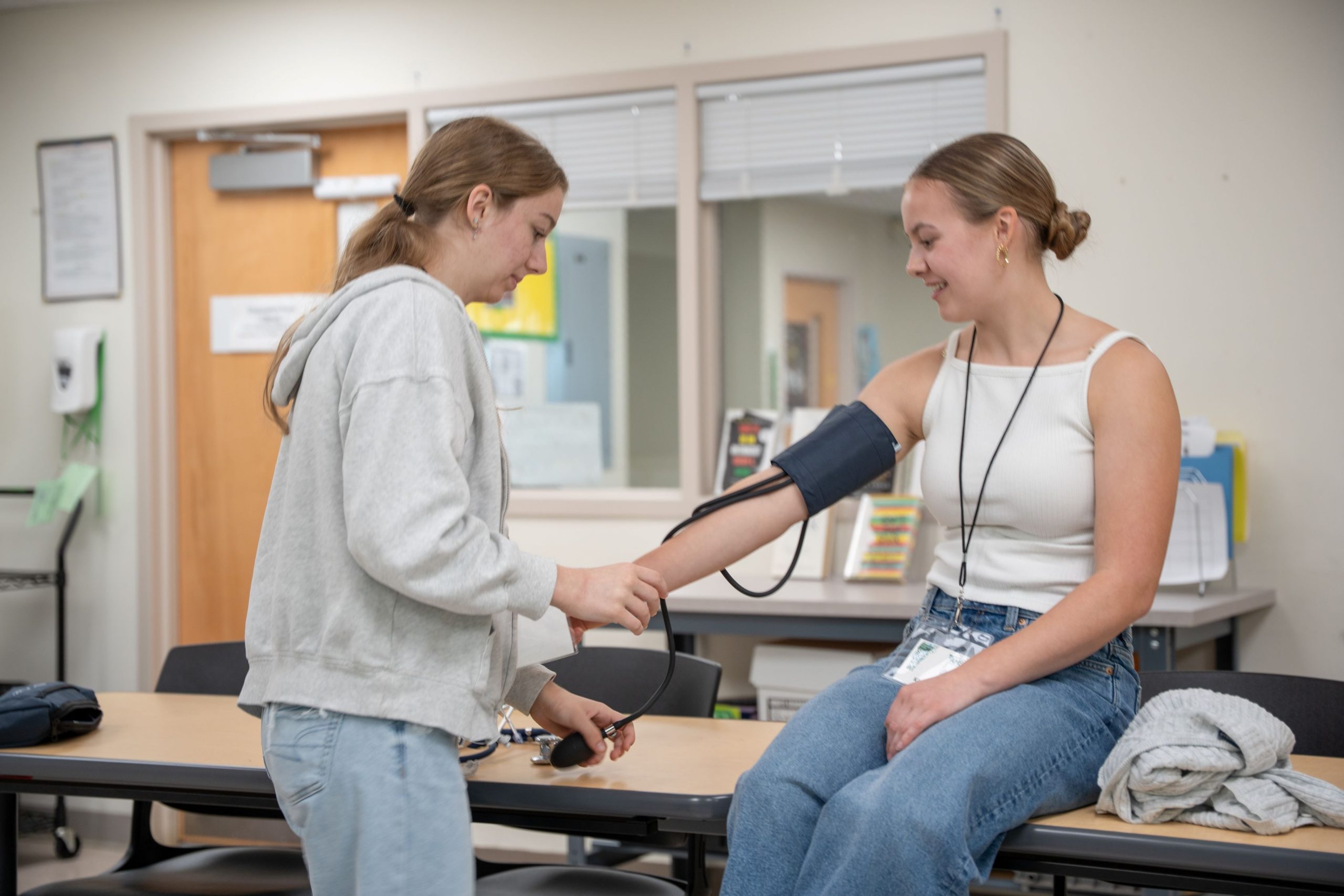
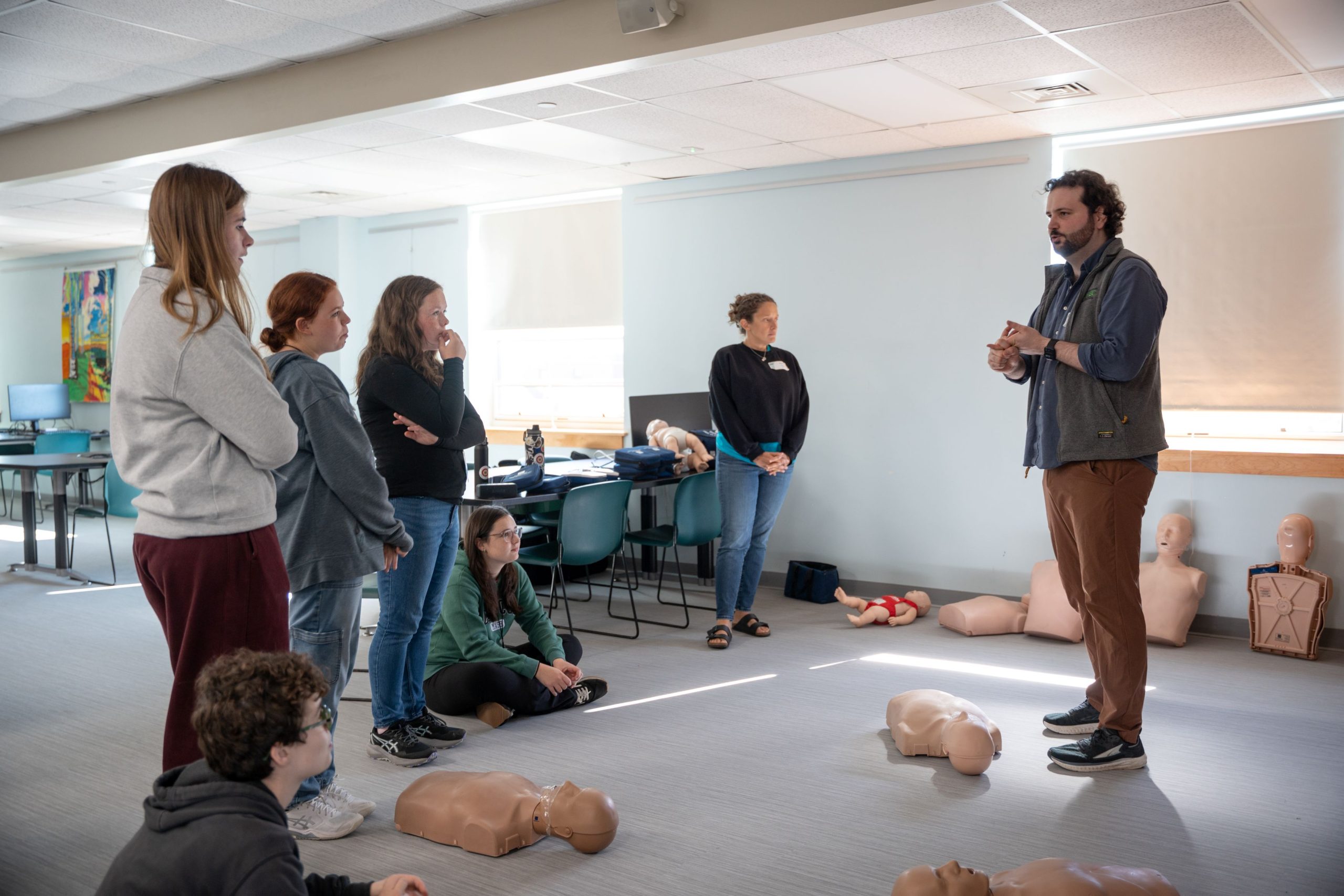
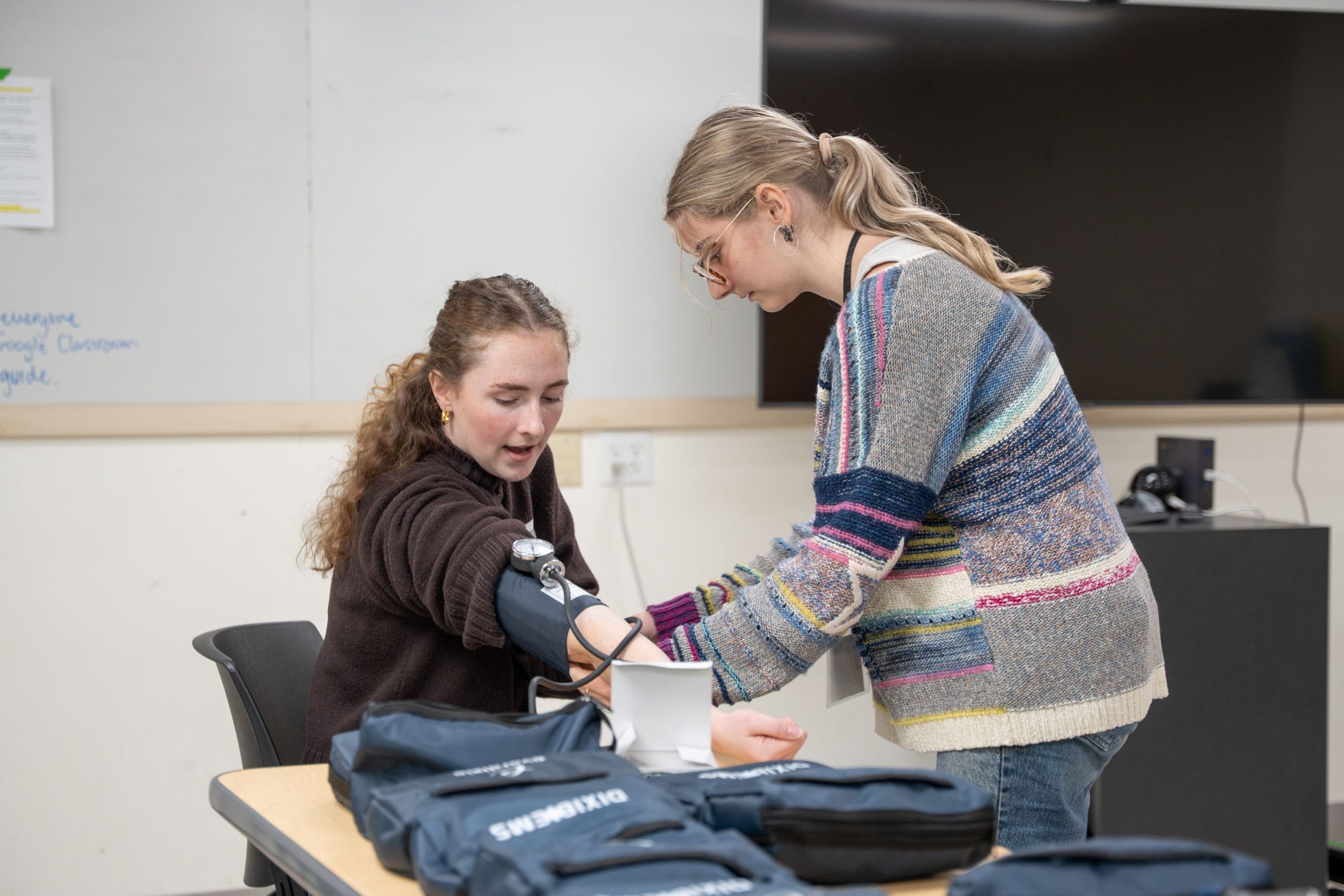
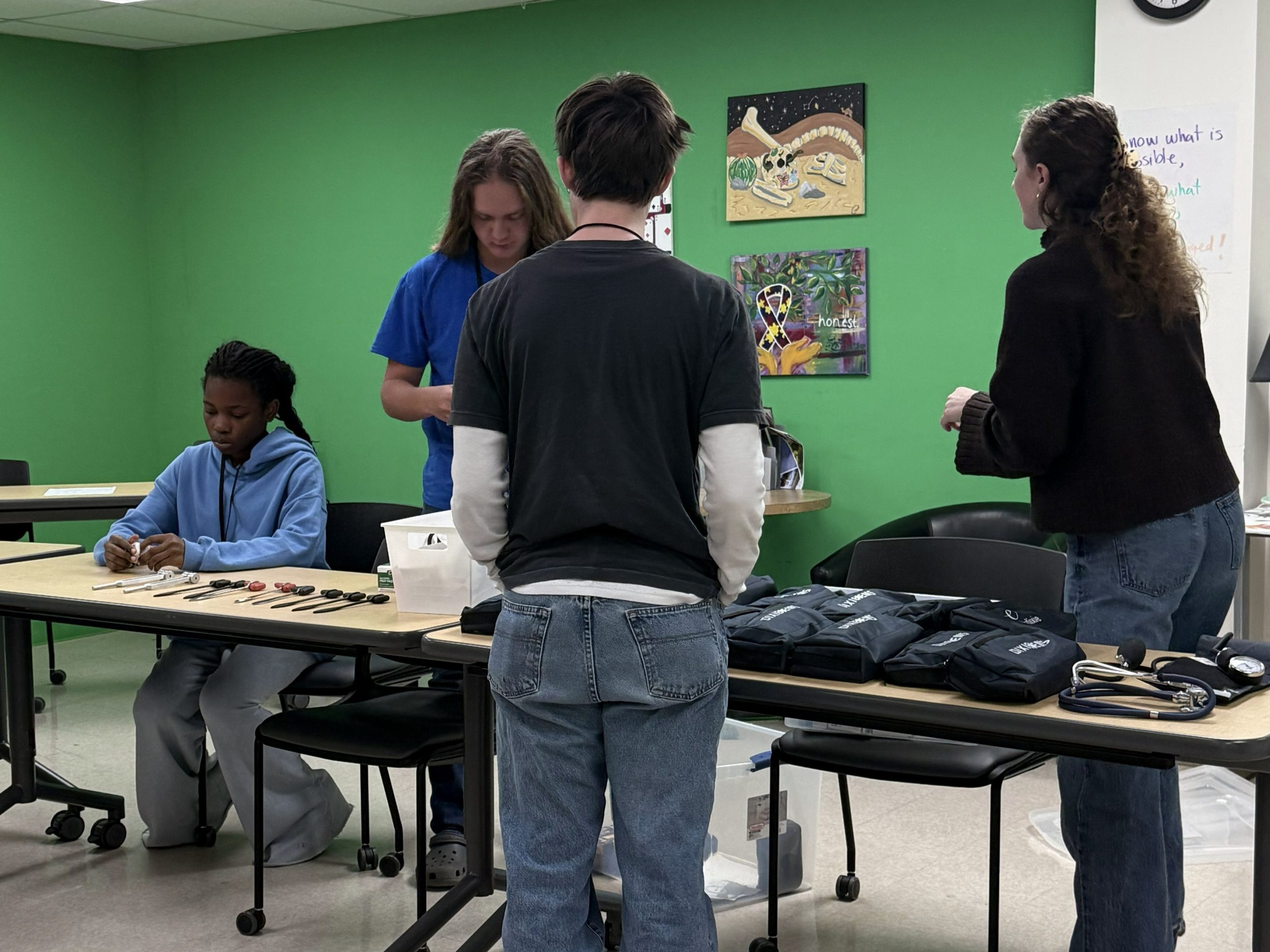
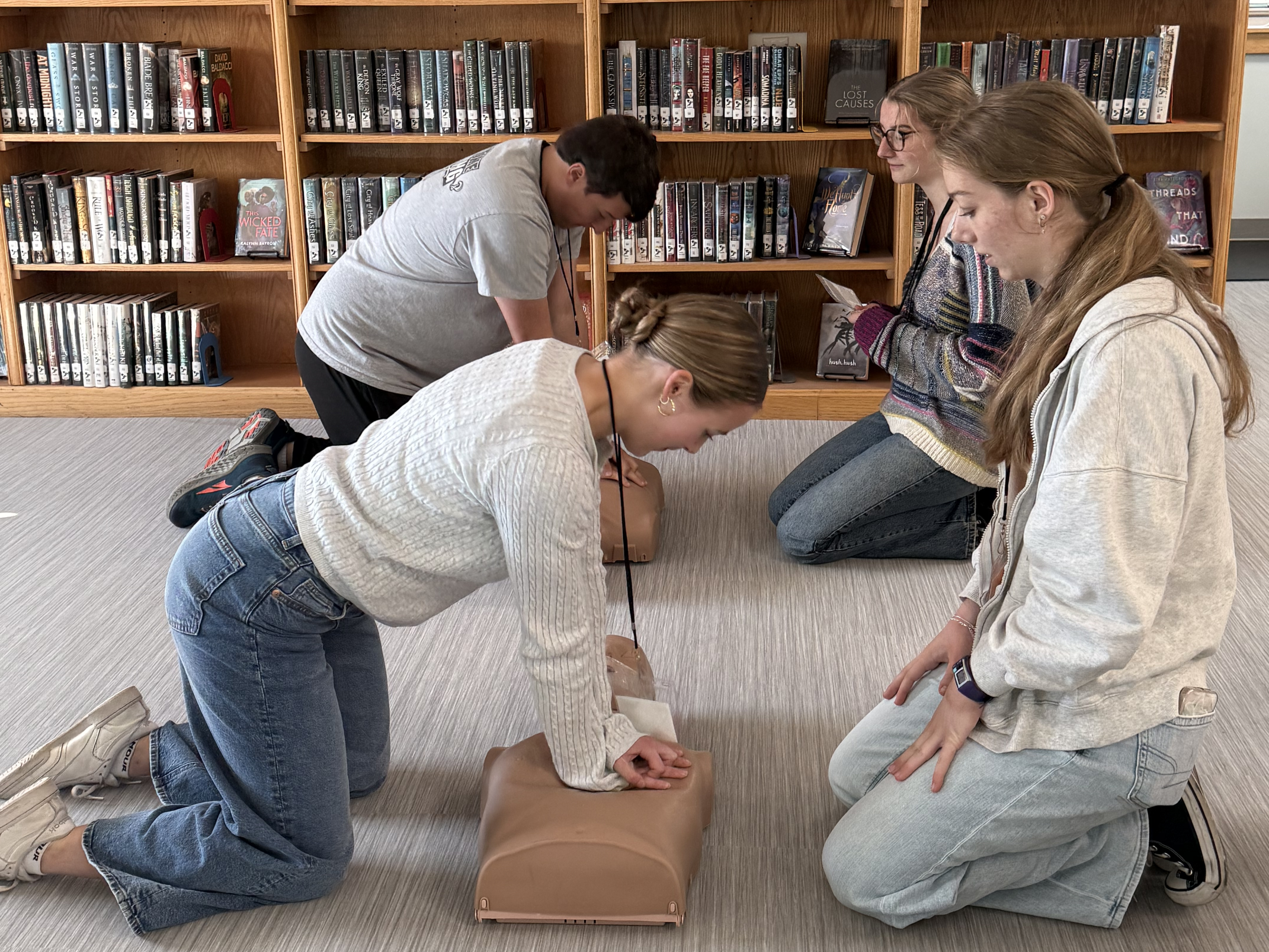
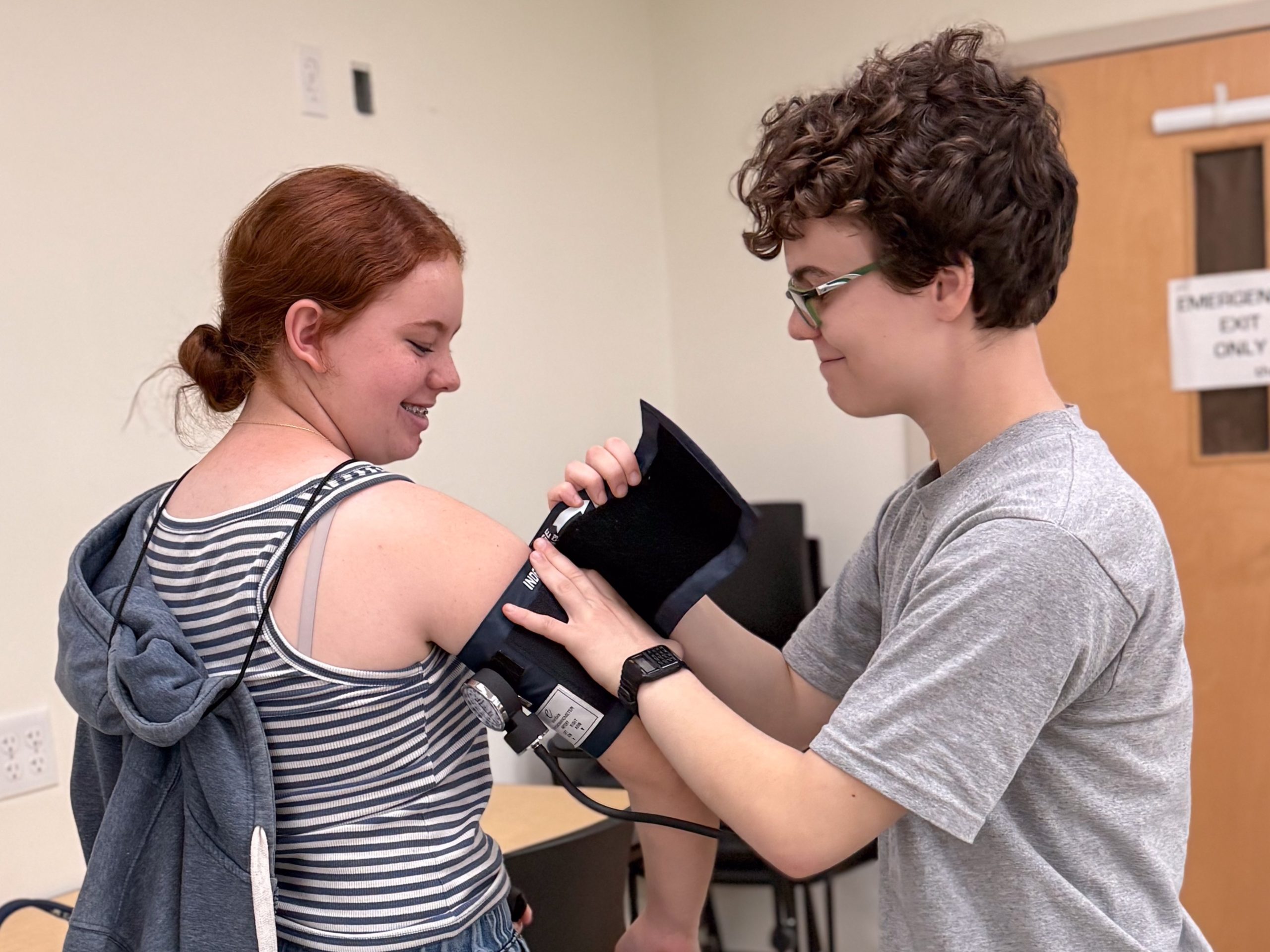
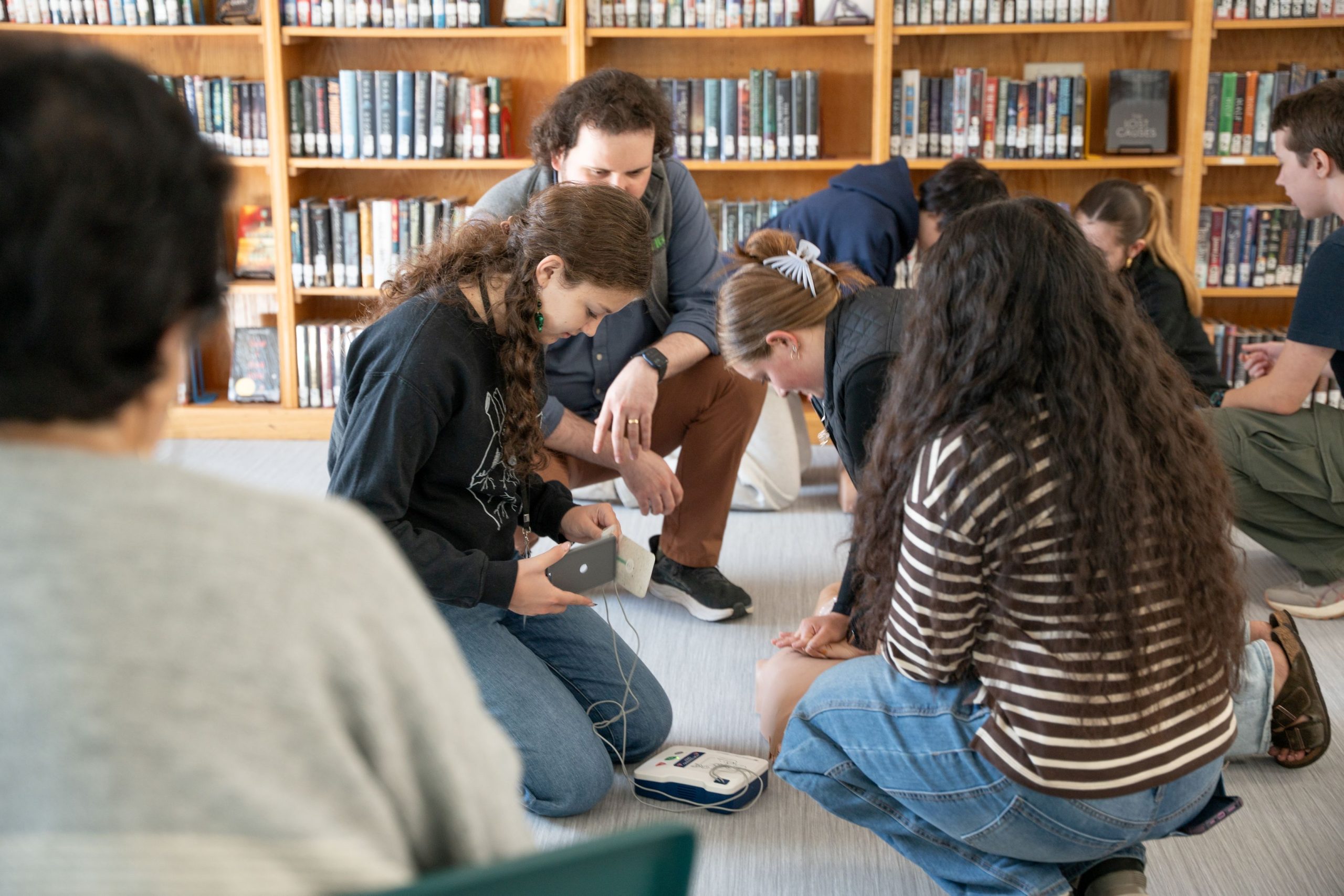
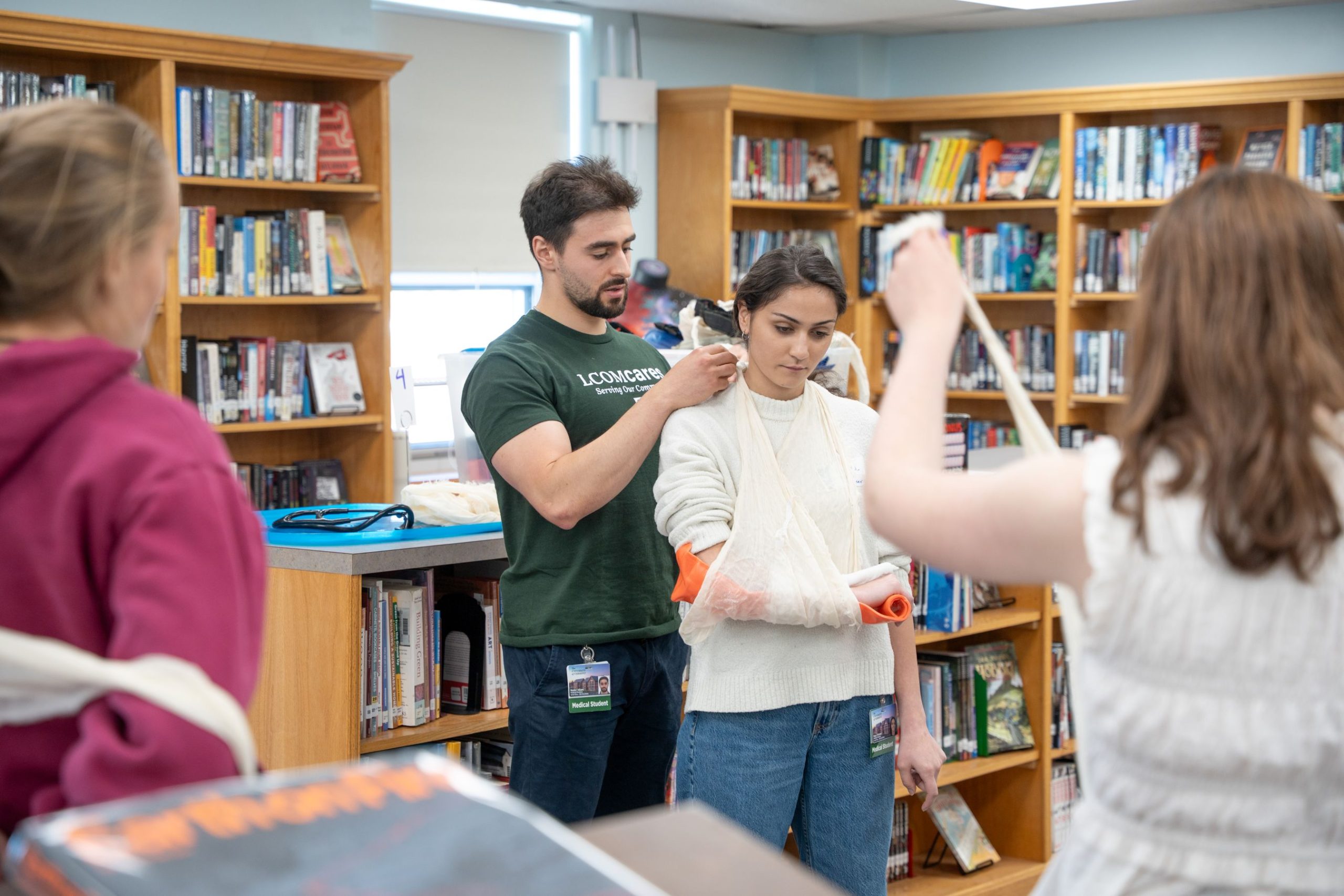
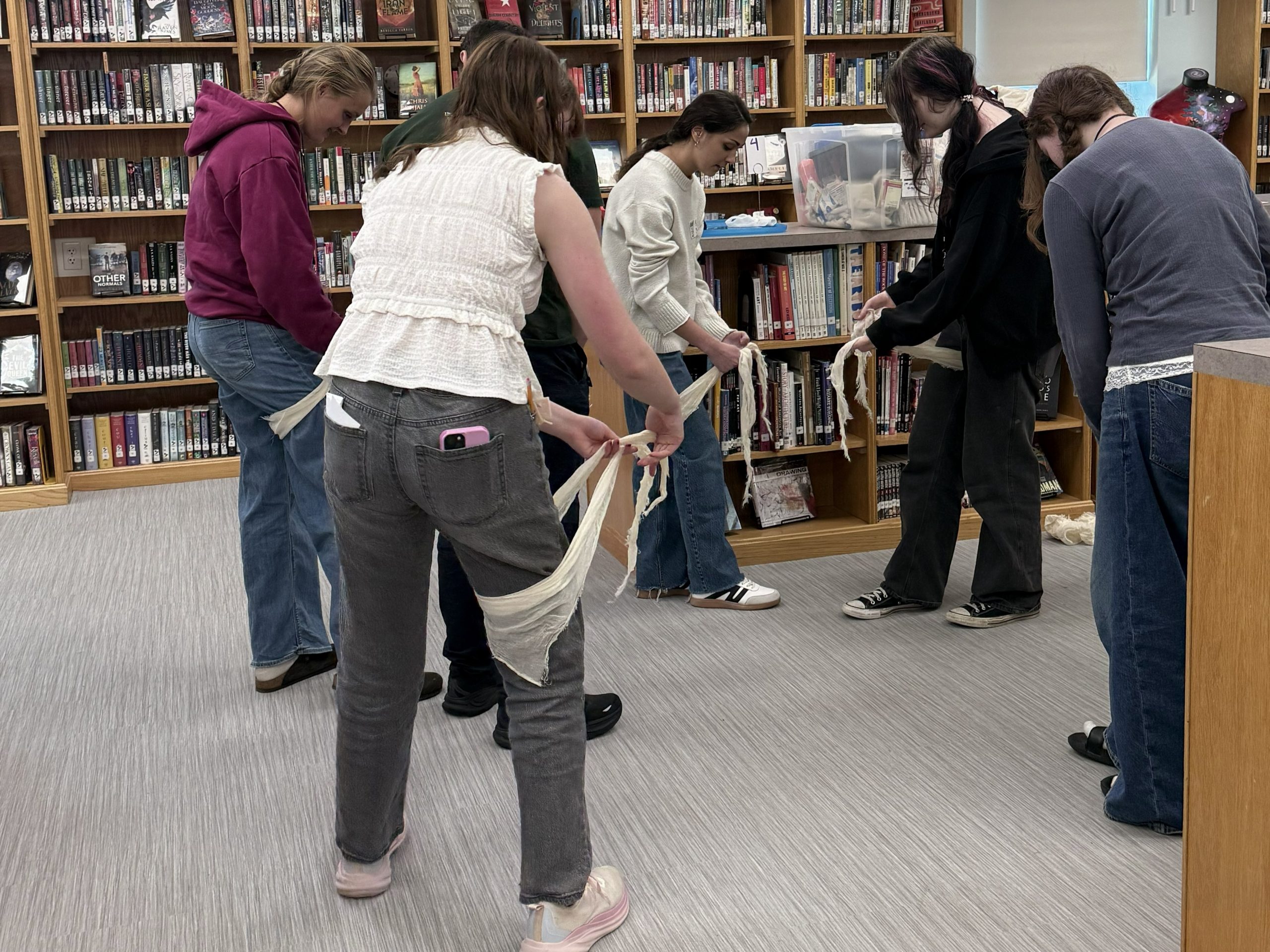
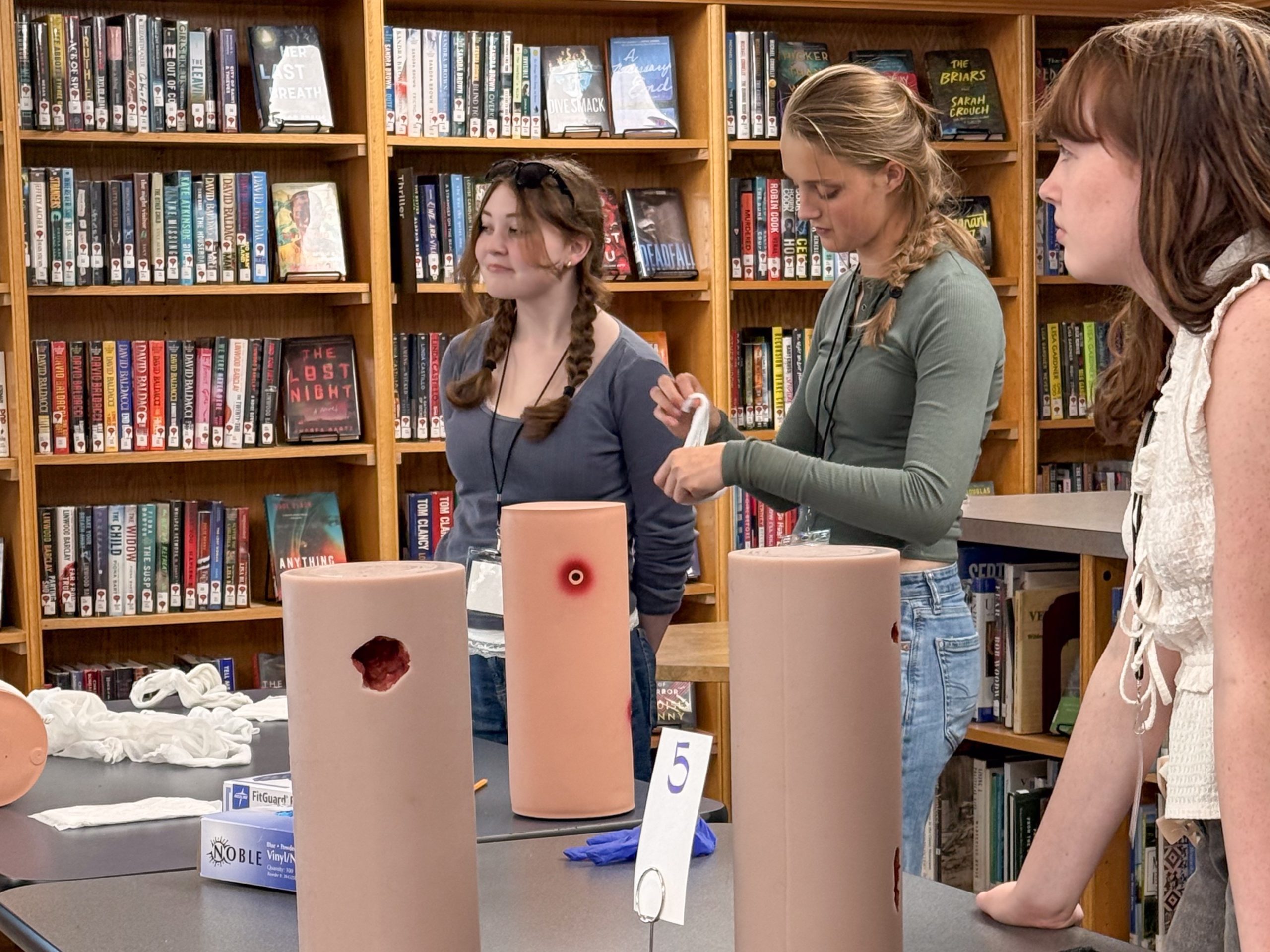
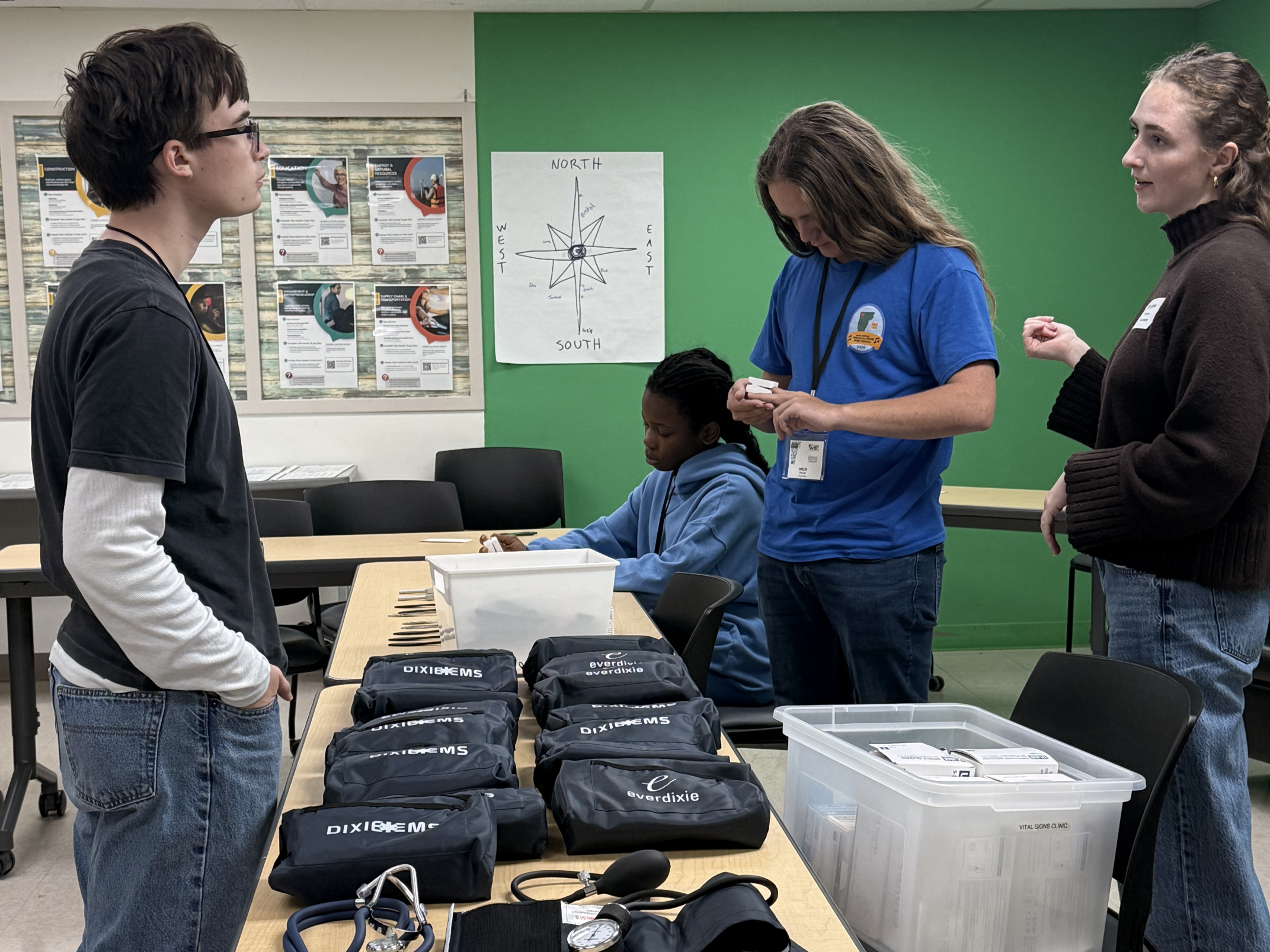
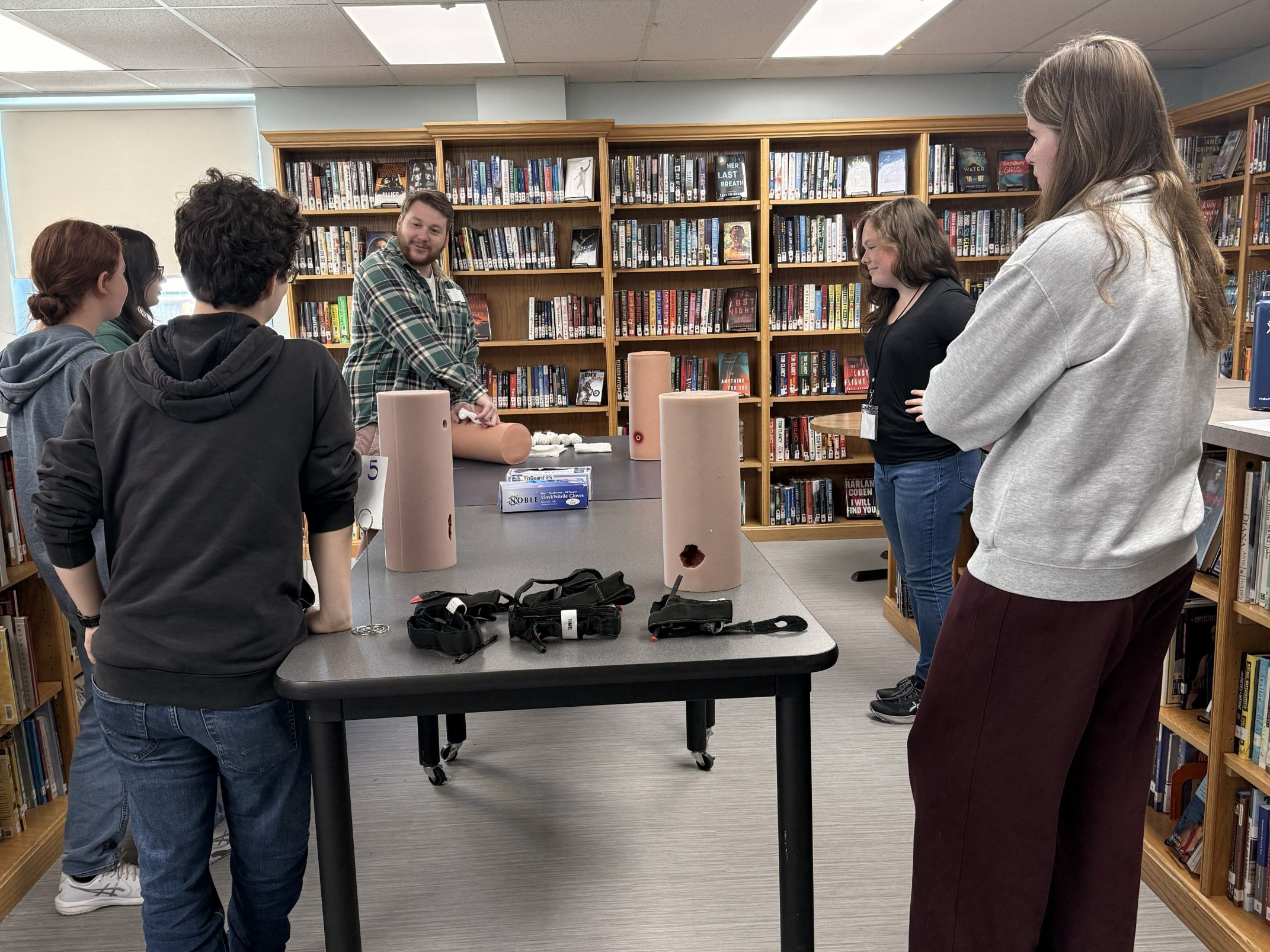
Throughout the day, students practiced hands-only CPR, learned bleeding-control and splinting techniques, explored vital signs, and participated in interactive medical activities alongside health care professionals, medical students, and educators.
The emphasis was on participation rather than observation. Students were encouraged to handle equipment, practice techniques, ask questions, and learn through experience.
That distinction matters. There’s only so much a career description can tell someone about the demands of performing CPR, the precision involved in medical procedures, or the responsibility that comes with making decisions about another person’s care.
Some aspects of health care are difficult to appreciate until you try them.
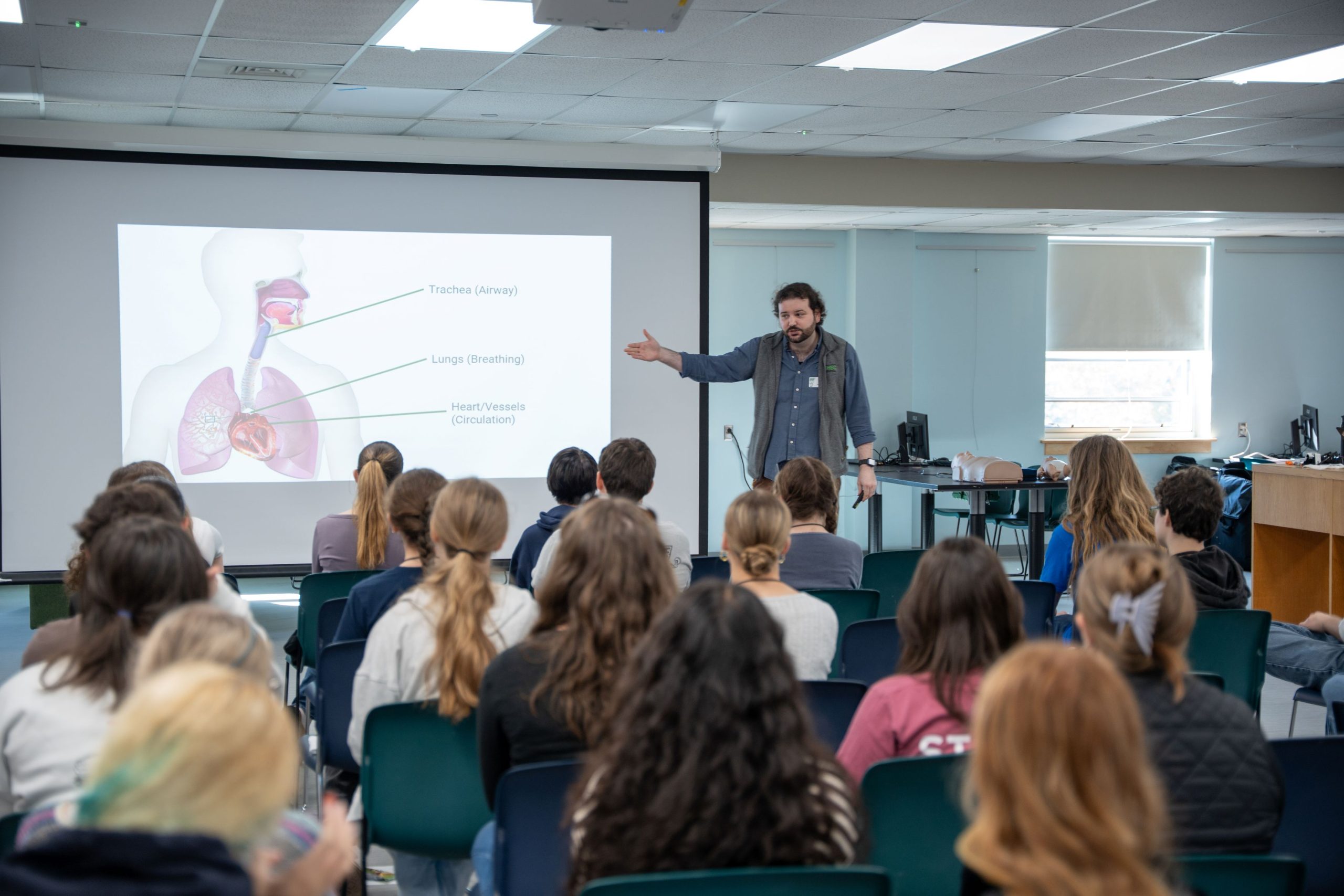
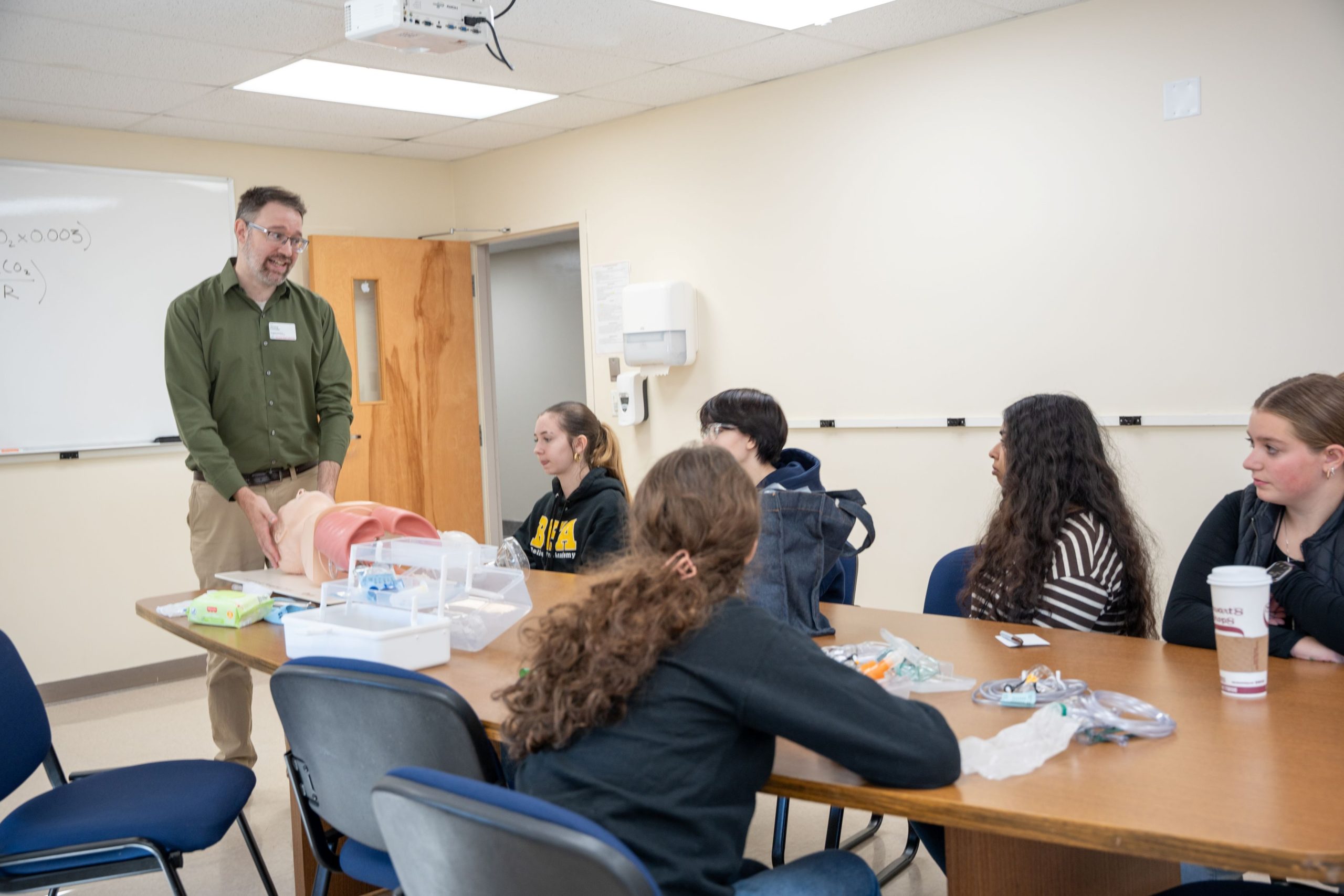
Matthew Binginot, GIV’s Outreach and Communications Manager, noticed how engaged students became when their assumptions about emergency medicine and human anatomy were challenged.
“Students asked really interesting and insightful questions during Kevin [Adams]’s introduction about emergency medicine overall,” he said. “Debunking some common ‘myths’ around medical care and anatomy seemed to really excite the students.”
Kevin Adams, an advanced emergency medical technician (AEMT), EMS instructor/coordinator, and Health Careers Instructor with Northern Vermont AHEC, was equally impressed by the students’ engagement. He recalled answering thoughtful, deliberate questions from young people who were genuinely curious about the different pathways available to them.
“I found myself answering thoughtful and deliberate questions that exemplify how interested and intelligent the students were,” he shared. “I had numerous interactions with students that were clearly passionate and curious about what pathways exist for them to pursue their interests. “
Their curiosity went beyond the activities themselves, revealing a genuine interest in understanding the science, challenges, and complexities of health care.
Students weren’t expected to leave as experts. The experience was an invitation to be curious, to ask questions they might not have considered before, and to discover what it feels like to learn something unfamiliar.
A much bigger world than doctors and nurses
Health care is one of those fields that most people encounter throughout their lives without necessarily understanding the breadth of professions involved.
A patient might interact with a nurse or physician while remaining unaware of the respiratory therapist helping manage their breathing, the radiologic technologist producing diagnostic images, or the medical laboratory professionals analyzing the specimens that inform treatment decisions.
These roles are essential to patient care, yet many young people reach high school having heard relatively little about them. This one-day event offered an opportunity to change that.
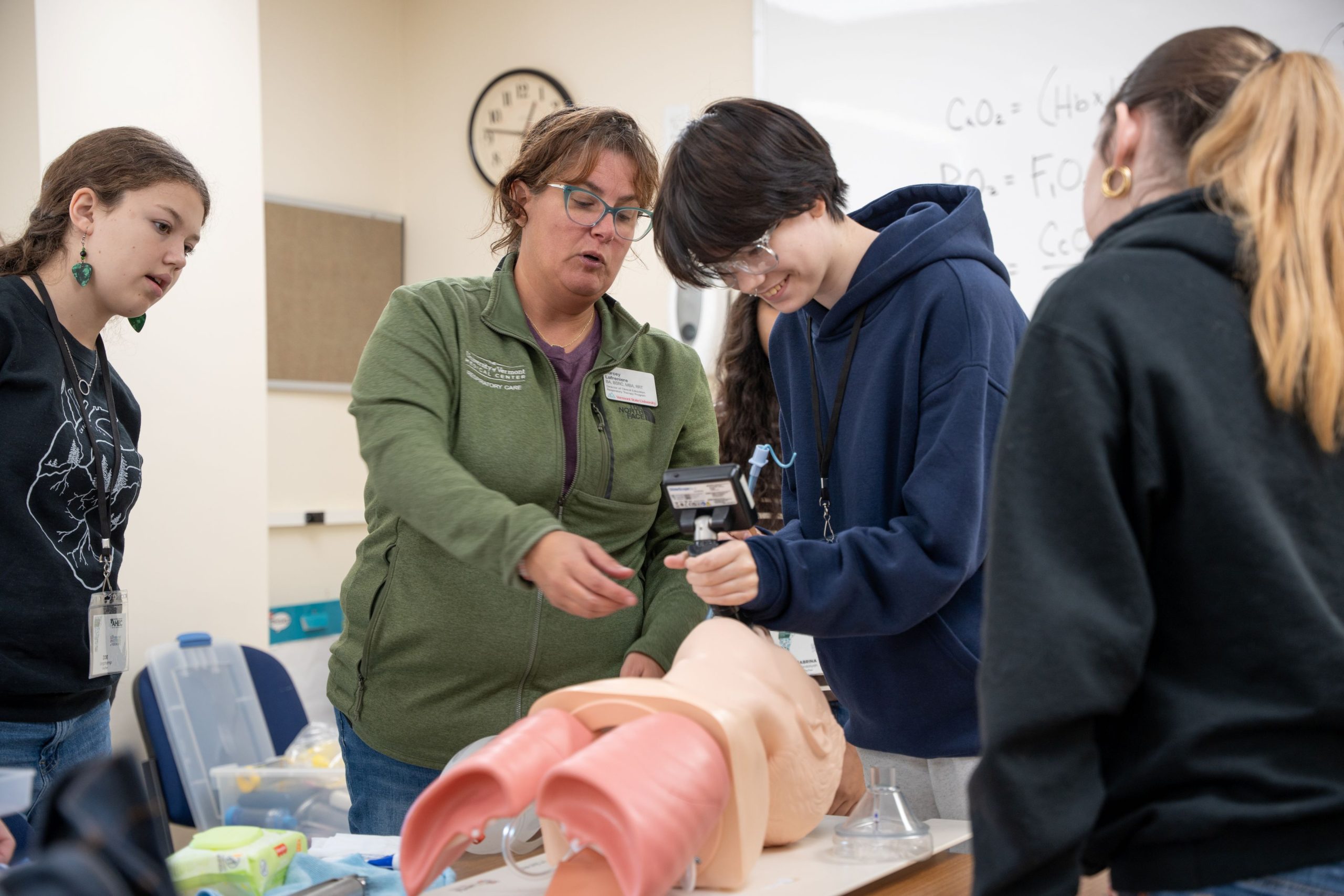
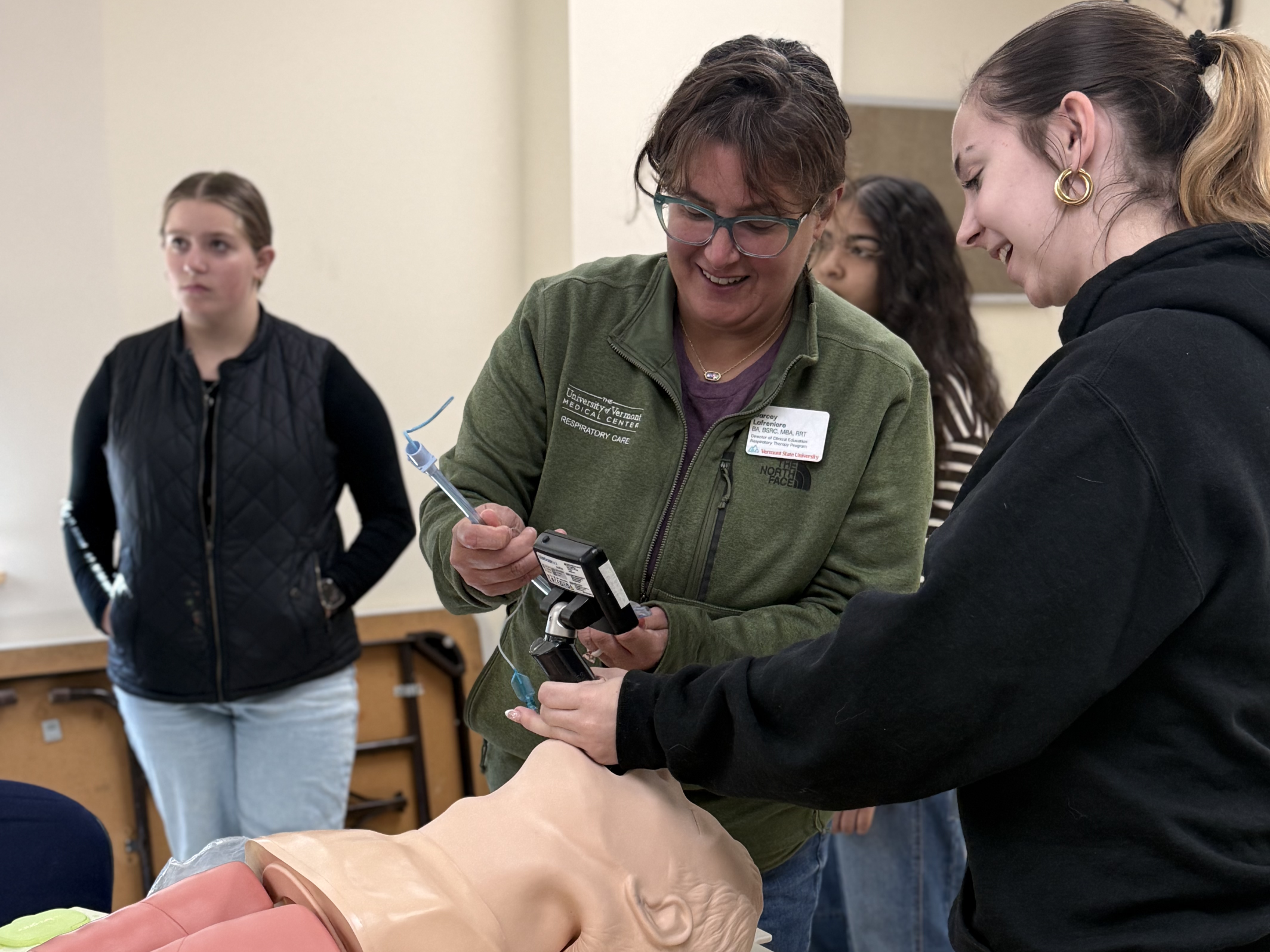
Respiratory therapy was among the professions that captured students’ attention. In their post-event reflections, several participants identified the experience as particularly memorable, in part because they had never been introduced to the field before.
Claire Holland, a high school junior, described it simply: “I haven’t seen anything around that field before and it was really cool.”
That reaction speaks to a larger challenge in health career education. It’s difficult to imagine pursuing a profession you don’t know exists.
And for Vermont, where health care employers continue to contend with workforce shortages across multiple professions, awareness is more than a matter of helping students choose a career. It’s part of ensuring that young people understand the opportunities available in their own communities.
Nicole LaPointe, Executive Director of Northern Vermont AHEC, points to professions including nursing, respiratory therapy, paramedicine, radiologic sciences, and dental hygiene as examples of careers with strong workforce demand and educational pathways that students may not fully understand.
“There are so many opportunities right now in healthcare and some of the highest demand opportunities are relatively short educational pathways with funding to incentivize enrollment and retention,” she said.
For a teenager who assumes a career in healthcare requires medical school or years of college education, learning about these options can fundamentally change the conversation.
An interest in technology might lead to a career in biomedical technology. A desire to work directly with patients might become a career in respiratory therapy. Someone drawn to fast-paced, unpredictable situations might discover emergency medical services.
The purpose of introducing these possibilities isn’t to convince every student to pursue a particular profession. It’s to give them enough information and experience to make that decision for themselves.
And sometimes, the most useful discovery is realizing that the field is much larger than they thought.
The people behind the professions
Equipment and hands-on experiences may attract students to events like VT Health Careers Field Day, but the conversations can be just as influential.
Throughout the afternoon, students had opportunities to connect with medical students and practicing health professionals, gaining firsthand insight into the people and experiences behind different health care careers.
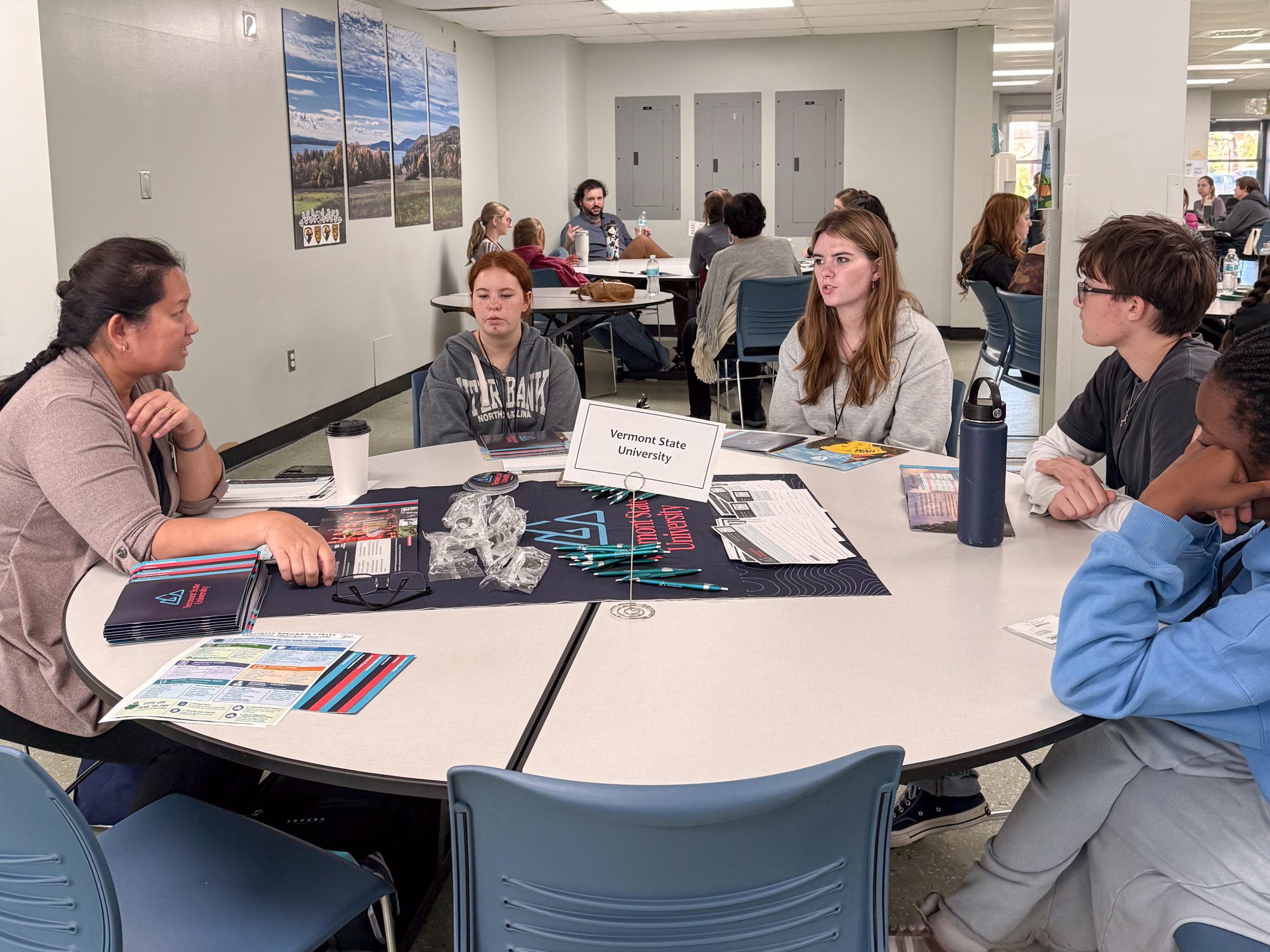
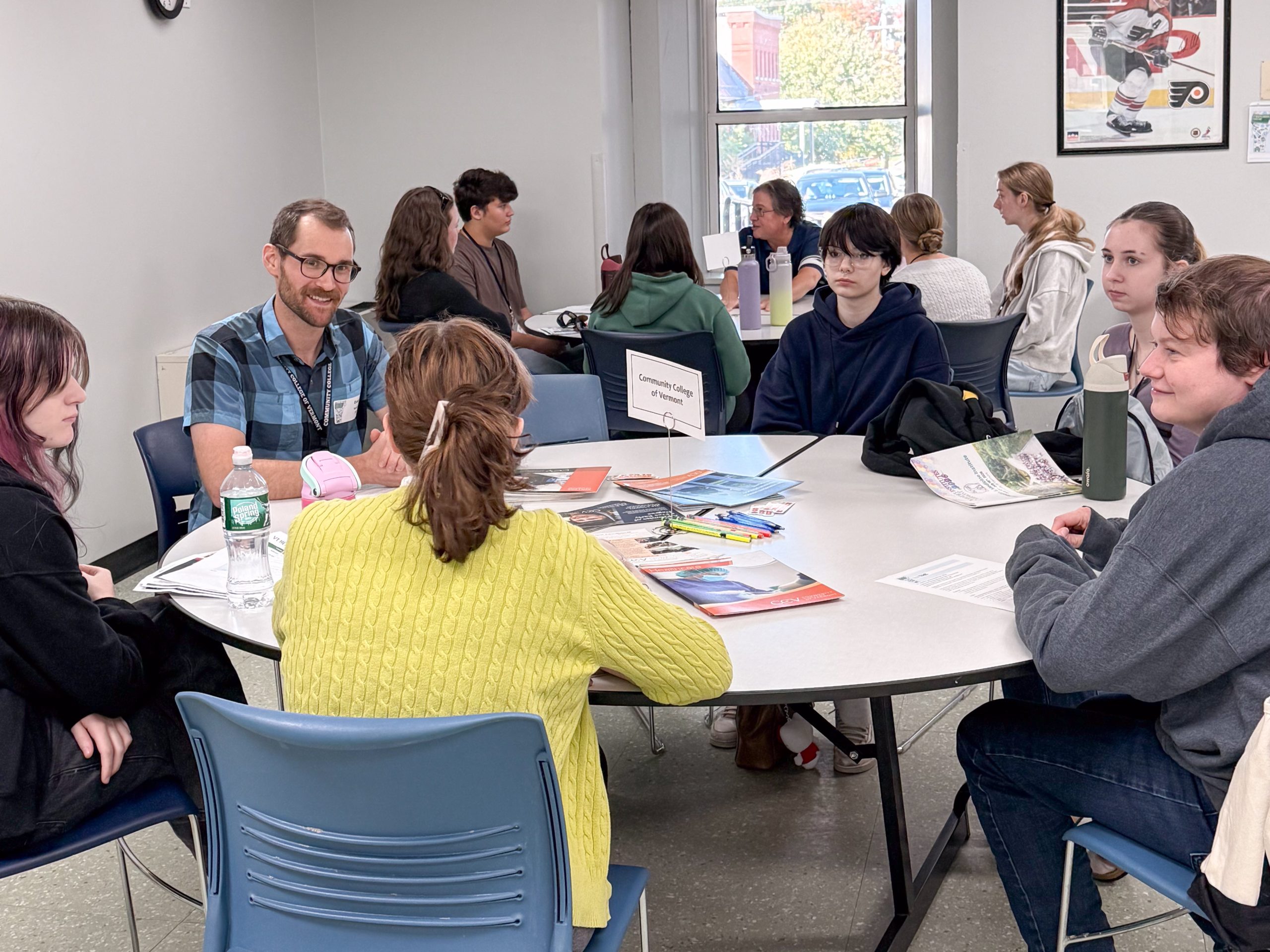
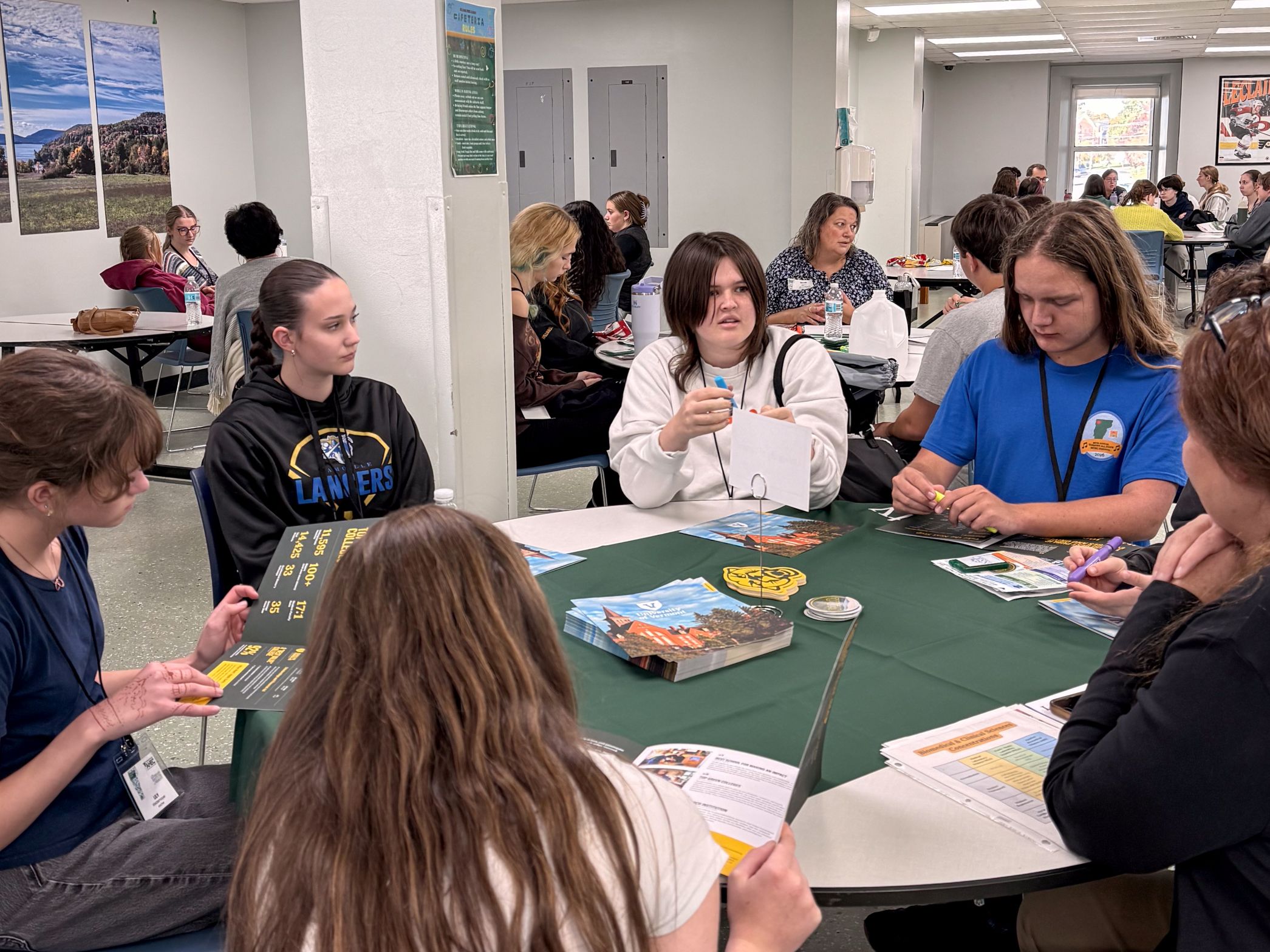
The day concluded with small-group pathway discussions featuring representatives from the University of Vermont, Community College of Vermont, Vermont State University, Vermont Student Assistance Corporation (VSAC), Northwest Career & Technical Center, and Northwestern Medical Center. Students explored education and training options, learned about scholarships and financial assistance, and gained a clearer understanding of the resources and steps available to help them pursue an interests in health care.
Those exchanges offered something that websites, course catalogs, and career brochures cannot always provide: the chance to move beyond general information and better understand what these opportunities could mean for their own futures.
For students growing up in Vermont’s rural communities, that kind of access can be especially meaningful.
“What makes these days powerful are the ways they facilitate individual connections,” Binginot explained. “Students get to meet real doctors and professional healthcare workers who are presenting their work in an honest, realistic, and accessible way.”
It is difficult to overstate the importance of making a profession feel accessible.
The distance between a high school classroom and a career in medicine can seem enormous, particularly for students who don’t have family members or personal connections working in health care. Meeting someone who can explain their own educational journey, answer questions candidly, and discuss the realities of the work can make that distance feel smaller.
Kevin Adams understands that distance from personal experience. When he was younger, the messages he received about pursuing medicine left him feeling that a career in health care was beyond his reach. It wasn’t until he began speaking with professionals, participating in ride-alongs, learning practical skills, and shadowing people in the field that his perspective changed.
” People want to help people, I do think that is a natural human instinct, but I also know that the pathways towards careers in healthcare can be daunting and might seem unobtainable,” he explained. “The young people in our state want to help others, but they need to be shown how many opportunities there are. If we want the future to be full of medical professionals we would trust to treat us, we as medical professionals have to be a part of their journey.”
It’s a perspective that informs why he believes professionals have a responsibility to make themselves available to the next generation. For Adams, those interactions can do more than provide career guidance. They can help young people recognize possibilities they might otherwise have dismissed.
For Nader Allam, the value of those conversations was reciprocal. As much as he hoped to offer guidance, he found himself impressed by the students’ motivation and the seriousness with which they approached their futures.
Some had traveled considerable distances to participate, a commitment he didn’t overlook.
“I could really see how much this all meant to them personally,” he shared, adding that he felt honored to contribute to their journeys.
There is something important in that exchange between generations: established and emerging health professionals sharing their experiences with young people who may one day work alongside them.
It allows students to see the people behind the professions and, perhaps, recognize qualities in themselves that could belong there.
What a single day can accomplish
An event like VT Health Careers Field Day isn’t designed to resolve every uncertainty a student has about the future. No one is expected to choose a college, commit to a profession, or map out an entire career over the course of a Saturday.
Its value lies in creating experiences students can build upon.
The post-event feedback suggests that students appreciated the opportunity. All survey respondents rated the overall day positively, awarding it either four or five out of five. Several wanted more time at individual stations, more opportunities to practice techniques, or additional information about the professions they had encountered.
Their reflections also revealed the kinds of discoveries that don’t always fit neatly into a program evaluation.
Some were surprised by the physical demands of CPR. Others discovered how much they enjoyed practicing clinical skills. Several came away with a greater appreciation for the range of health professions and the different educational routes into them.
And some were surprised by their own abilities.
These are modest discoveries in the context of an entire professional career, but they’re meaningful ones for students still developing a sense of what interests them and what they might be capable of accomplishing.
Career awareness begins with exposure. Confidence develops through experience. And an interest sparked at 15 or 16 may eventually influence decisions about education, training, and employment years later.
There is no guarantee that every student who participates in Field Day will enter health care. That isn’t the measure of its success. What matters is that students leave with a broader understanding of the possibilities available to them and a better sense of how they might begin exploring those opportunities.
Investing in possibility, and in Vermont
For Northern Vermont AHEC and the Governor’s Institutes of Vermont, Field Day represents a shared commitment to helping young people recognize their potential.
GIV works to create educational experiences that expand students’ aspirations, build confidence, and connect them with supportive communities. Northern Vermont AHEC’s mission is to educate and inspire students and professionals to improve the health of Vermont communities, with a vision of a future in which every Vermonter has access to high-quality care supported by an adequate, well-trained health workforce.
Those missions meet naturally in experiences that allow young Vermonters to explore their interests while gaining a clearer understanding of the professions their communities depend on.
Vermont’s health care workforce challenges are complicated, shaped by demographics, geography, educational access, and the realities of providing care in rural communities. Addressing them requires more than any single initiative or organization can accomplish.
But developing a sustainable workforce also requires looking beyond today’s vacancies to the young people who may eventually fill those roles.
That work begins with making careers visible and educational pathways understandable. It requires partnerships among schools, colleges, health care organizations, workforce programs, and the professionals willing to share their time and experiences. And it depends on creating opportunities for students to discover that meaningful, essential work is possible close to home.
For Adams, that responsibility extends to the professionals already working in the field.
“If we want the future to be full of medical professionals we would trust to treat us, we as medical professionals have to be a part of their journey,” he said.
Field Day was one example of what that investment can look like: a Saturday spent learning practical skills, asking thoughtful questions, and meeting people whose work might help shape someone else’s future.
Before the career comes the curiosity
It’s tempting to measure the impact of career exploration in the number of students who ultimately choose a particular profession. And over time, those outcomes matter. But there’s another kind of progress happening much earlier, often in ways that are harder to quantify.
It’s the student who arrives knowing they want to work in health care but leaves with a clearer sense of why. The student who discovers a profession they had never considered. The teenager who learns a lifesaving skill and realizes they’re more capable than they expected.
Or the young person whose personal experience has already inspired an ambitious goal, and who finds someone willing to listen, take that ambition seriously, and help them understand what pursuing it might involve.
The future of Vermont’s health care workforce isn’t waiting somewhere in the distance. It’s taking shape now, in classrooms, career and technical education programs, community partnerships, and experiences like VT Health Careers Field Day.
Not every student who participated on October 3 will become a health professional. But each had an opportunity to see more of what the field holds, meet people who make that work possible, and consider where their own interests might lead.
And for some, that Saturday in St. Albans may become part of the story of how they got there.
Explore what’s next: Learn more about health careers, education and training pathways, and opportunities for Vermont students through VTHealthCareers.org, Northern Vermont AHEC, and the Governor’s Institutes of Vermont.